
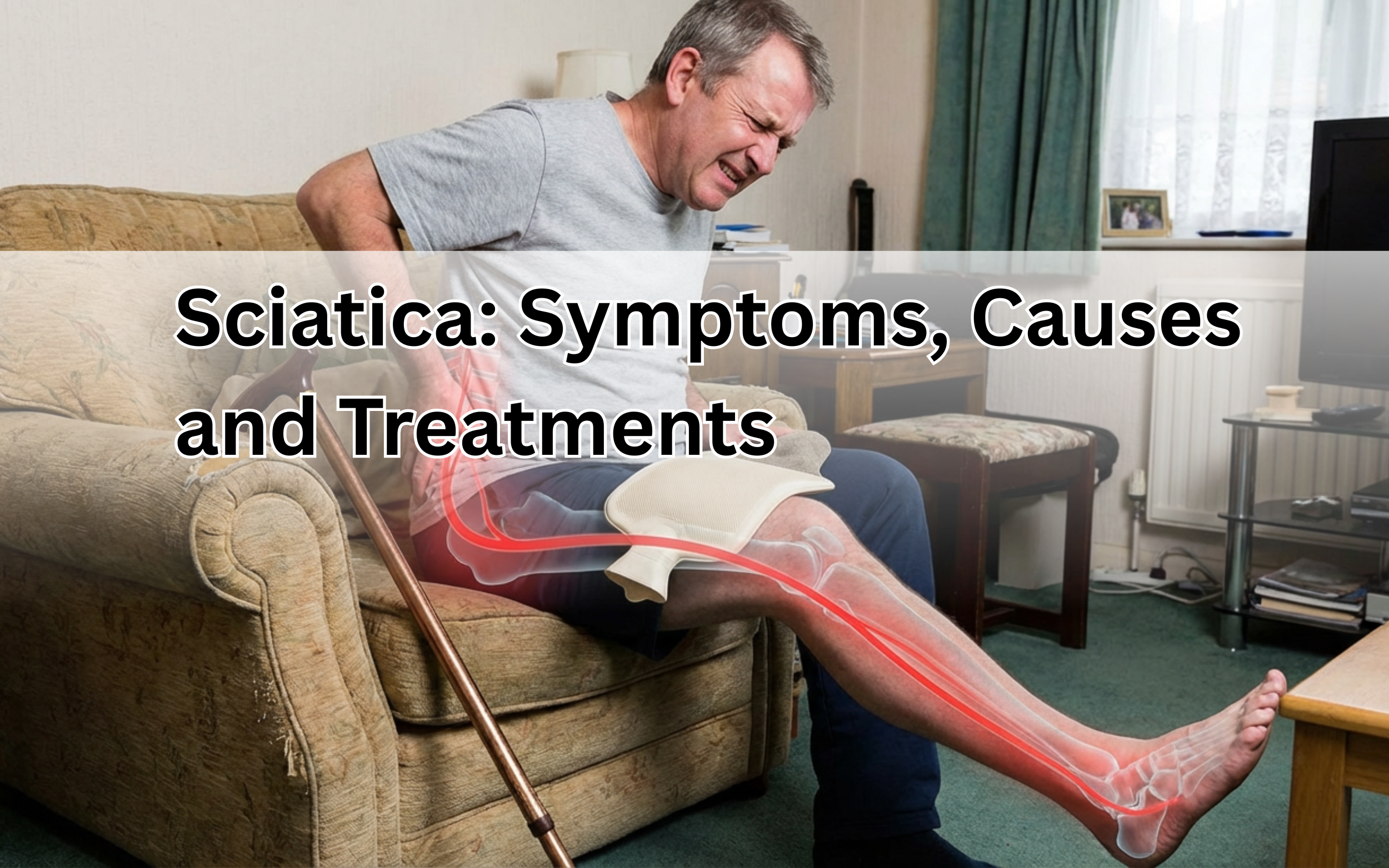
Sciatica, also known as sciatic nerve pain, is a common condition that affects the lower back, hips, buttocks, and legs. People with sciatica often experience sharp, shooting pain, tingling, or numbness that can make walking, sitting, or even sleeping uncomfortable. This condition occurs when the sciatic nerve, the largest nerve in the body, becomes compressed or irritated.
Many people worry about the best treatments for sciatica, but according to the research of modern medical science, sciatica can be treated without surgery. Sciatica can often be managed effectively with non-surgical treatments such as physiotherapy, acupuncture, cupping therapy, and lifestyle modifications. Understanding the symptoms, causes, and available treatments is the first step toward finding relief and regaining comfort in everyday activities.
What Is Sciatica?
Sciatica is not a disease itself but a term used to describe pain, numbness, or weakness along the path of the sciatic nerve. The sciatic nerve is the largest in the body. It begins in the lower back, passes through the hips and buttocks, and extends down each leg. When the nerve is compressed or irritated, it can cause discomfort ranging from mild tingling to severe, shooting pain.
People often confuse general lower back pain with sciatica, but the key difference is that sciatica usually radiates from the lower back into the buttocks and down one leg, sometimes reaching the foot. This radiating pain is caused by pressure on the nerve roots in the lower spine, commonly due to conditions like a herniated disc, spinal stenosis, or muscle inflammation.
Related: What is Sciatica Nerve Pain? How To Cure Sciatica at Home?
Common Symptoms of Sciatica
Sciatica typically causes pain that radiates from the lower back into one leg, often accompanied by tingling, numbness, or muscle weakness. The pain may feel sharp, burning, or shooting and can worsen with prolonged sitting, standing, or sudden movements.
Other common symptoms include:
- Tingling or numbness in the leg or foot
- Muscle weakness, making it difficult to lift the foot or stand on the toes
- Referred pain in the groin, hip, or knee
Red-flag warning signs that require urgent medical attention include:
- Urinary or fecal incontinence
- Numbness around the inner thighs or buttocks (saddle area)
- Severe weakness in both legs
- Loss of bladder or bowel control
While most sciatica cases improve with conservative treatments like physiotherapy, acupuncture, or guided exercises, the presence of these warning signs could indicate cauda equina syndrome, a serious condition that needs immediate medical evaluation. For a free consultation with our expert team, contact us.
Related: Sciatic Nerve Pain: Symptoms, Causes & Treatments
What Causes Sciatica Pain?
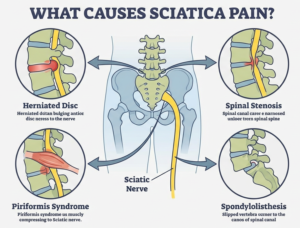
Sciatica pain arises when the sciatic nerve, which runs from the lower back down through the buttocks and legs, becomes compressed, irritated, or inflamed. This compression interferes with nerve signals, resulting in pain, tingling, numbness, or weakness along the leg. Understanding the specific cause is essential to determining the best treatment for sciatica and achieving lasting relief. Here are the primary causes of sciatica:
1. Herniated or Bulging Disc
Spinal discs are soft, cushion-like structures between the vertebrae that absorb shock and allow movement. A disc can herniate or bulge when its inner gel-like material pushes through its outer layer. This can press on the nerve roots, especially in the lower lumbar region, leading to sciatic nerve pain radiating down the leg. Herniated discs are one of the most common causes of sciatica in adults, often accompanied by numbness or tingling in the foot or calf.
2. Spinal Stenosis
Spinal stenosis refers to the narrowing of the spinal canal, which reduces the space available for nerves. In the lower back, this narrowing can compress the sciatic nerve or its roots, causing pain, cramping, or weakness in the legs. Symptoms often worsen while standing or walking and may improve when sitting or bending forward. This condition is more common in older adults due to age-related degenerative changes in the spine.
3. Piriformis Syndrome
The piriformis muscle, located in the buttocks, runs close to the sciatic nerve. When this muscle becomes tight, inflamed, or spasms, it can compress the sciatic nerve, causing pain that radiates down the leg. Unlike disc-related sciatica, piriformis syndrome often produces buttock pain first, with discomfort increasing after prolonged sitting or activities like climbing stairs.
4. Spondylolisthesis (Slipped Vertebra)
Spondylolisthesis occurs when one vertebra slips forward over the one below it, narrowing the spaces through which the spinal nerves pass. This misalignment can compress the sciatic nerve roots, triggering leg pain, weakness, or tingling. It is often caused by spinal degeneration, trauma, or congenital defects in the vertebrae.
5. Muscle Strain, Poor Posture, or Prolonged Sitting
Tight lower back or gluteal muscles can increase pressure on the sciatic nerve. Poor posture, sitting for extended periods, or improper lifting can strain these muscles and contribute to sciatica pain. While these causes are less severe than structural spinal problems, they can aggravate existing nerve compression and prolong recovery if not addressed.
6. Pregnancy-Related Sciatica
During pregnancy, hormonal changes relax ligaments and joints in the pelvis, and the growing uterus adds extra weight on the lower spine. This combination can irritate or compress the sciatic nerve, causing temporary pain, numbness, or tingling in the legs. Proper posture, gentle stretching, and safe physiotherapy can help manage symptoms during pregnancy.
7. Less Common Causes
- Spinal tumors or infections: Rare, but can compress the sciatic nerve
- Traumatic injuries: Fractures or accidents affecting the spine
- Degenerative disc disease: Wear-and-tear changes that gradually irritate nerves
How Long Does Sciatica Last?

The duration of sciatica pain depends on its cause, severity, and the timeliness of treatment. Most cases improve with conservative care, but some patients may experience longer-lasting symptoms.
1. Acute Sciatica
Acute sciatica usually lasts 2 to 6 weeks and is often caused by temporary irritation of the sciatic nerve, such as a minor disc bulge, muscle strain, or inflammation. During this time, pain may come and go and often improves with rest, gentle stretching, or guided physiotherapy exercises.
2. Chronic Sciatica
If symptoms persist for more than three months, sciatica is considered chronic. This is commonly linked to herniated discs, spinal stenosis, or degenerative changes in the spine. Chronic cases often require targeted physiotherapy, acupuncture, or other non-surgical treatments, combined with lifestyle adjustments to relieve nerve pressure and prevent recurrence.
Factors That Affect Recovery Time
Recovery varies depending on:
- Cause of sciatica: Structural issues like spinal stenosis may take longer to resolve than temporary nerve irritation.
- Age and health: Older adults or people with pre-existing spine problems may recover more slowly.
- Treatment adherence: Consistent physiotherapy, exercises, and posture correction improve outcomes.
- Lifestyle: Sedentary habits, poor posture, and obesity can prolong symptoms.
Most acute sciatica resolves within a few weeks with proper care. Persistent or worsening symptoms, especially numbness, weakness, or bladder/bowel issues, require prompt evaluation by a qualified healthcare professional or pain specialist.
Non-Surgical Treatments for Sciatica

The right treatment for sciatica pain depends on the underlying cause and the severity of symptoms. Most patients respond well to non-surgical approaches, which focus on relieving pain, improving mobility, and preventing future flare-ups.
1. Acupuncture
Acupuncture is widely used worldwide for sciatica treatment, especially at the best pain management clinics like SUO XI Hospital. By stimulating precise points along the lower back and legs, acupuncture relieves nerve pain, eases muscle tension, and improves blood flow, supporting natural healing. Many patients notice faster recovery when acupuncture is combined with physiotherapy.
2. Physiotherapy for Sciatica
Physiotherapy is a key component of sciatica management. Through guided exercises and stretches, physiotherapy strengthens the core and spinal muscles, improves flexibility, and reduces pressure on the sciatic nerve.
Regular sessions not only alleviate current pain but also help prevent future sciatic nerve pain by improving posture and spinal stability. Patients often experience improved mobility and a significant reduction in daily discomfort after consistent therapy.
Related: Benefits of Manual Physiotherapy for Pain Management
3. Ozone Therapy

Ozone therapy is a minimally invasive, non-surgical option for sciatica pain treatment that targets inflammation around the sciatic nerve. By delivering a controlled amount of ozone, this therapy helps reduce swelling, support tissue repair, and accelerate healing. When combined with physiotherapy or other therapies, ozone therapy can enhance pain relief and contribute to faster functional recovery.
4. Manual Therapy
Manual therapy, including gentle spinal manipulation and joint mobilization, is designed to restore proper movement and alignment in the spine. For sciatica patients, this approach reduces stiffness, alleviates nerve pressure, and improves overall mobility. It often works best in combination with exercises or other treatments to maintain long-term relief.
Related: Advantages of Acupuncture During Pregnancy
5. Lifestyle Adjustments
Lifestyle changes play an important role in managing sciatica. Maintaining correct posture while sitting or standing, using ergonomic furniture or a sciatica pillow, and staying active with light exercises can significantly reduce strain on the lower back. These adjustments not only help relieve current pain but also prevent future flare-ups, supporting long-term spinal health and comfort.
Related: Follow SUO XI Healthy Lifestyle and live a pain-free life.
Chiropractic Care for Sciatica
Chiropractic care is a proven non-surgical option for managing sciatica pain. The therapy focuses on spinal alignment and joint mobility to relieve pressure on the sciatic nerve, reduce leg and lower back pain, and restore proper function.
By adjusting the spine, chiropractors help correct misalignments that can irritate nerve roots, improving nerve signaling and reducing discomfort. Improving joint mobility also reduces stiffness, enhances flexibility, and supports better posture, which helps prevent future flare-ups.
Who may benefit?
Individuals with mild to moderate sciatica caused by disc irritation, spinal misalignment, or nerve compression often respond well. Chiropractic care works best when combined with physiotherapy, exercise, or lifestyle modifications. Those with severe neurological symptoms or red-flag signs like bladder or bowel changes should consult a qualified pain specialist before starting treatment.
Cupping Therapy for Sciatica
Cupping therapy for sciatica is an effective complementary treatment for patients experiencing sciatic nerve pain. This therapy uses specialized cups to create suction on the skin, which targets muscle tension, improves circulation, and supports overall nerve health. By relieving tight muscles in the lower back and gluteal region, cupping reduces pressure on the sciatic nerve and helps ease pain radiating down the leg. The suction also promotes blood flow and oxygen delivery to affected tissues, which accelerates healing and reduces inflammation.
Cupping therapy is considered a supportive treatment and works best alongside physiotherapy, acupuncture, or other conservative measures. Patients with chronic or mild sciatica often notice improved flexibility, reduced stiffness, and better overall comfort after sessions.
Related: Traditional Chinese Method: Cupping Therapy
Immediate Relief for Sciatica Pain
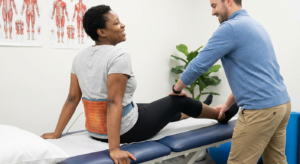
For sudden sciatica pain, these strategies can help provide immediate relief for sciatica pain while supporting safe recovery:
- Ice or Heat Application: Applying ice in the first 24–48 hours reduces inflammation, while heat relaxes tight muscles and improves blood flow, easing sciatic nerve pain.
- Gentle Walking: Short, controlled walks stimulate circulation, reduce stiffness, and prevent muscles around the sciatic nerve from tightening.
- Position Changes and Best Sleeping Positions: Adjusting posture can relieve pressure on the sciatic nerve. While sitting, use supportive cushions and avoid slouching. For sleep, the best sleeping position during sciatica is lying on your side with a pillow between your knees or lying on your back with a small pillow under the knees. These positions help keep the spine aligned and reduce nerve compression.
- Avoid Sudden Bending or Twisting: Quick or heavy movements can aggravate the sciatic nerve. Practicing careful body mechanics protects the nerve and prevents worsening pain.
These techniques provide quick relief, but consulting a qualified pain specialist near you ensures long-term management and recovery.
Sciatica Stretches & Exercises to Ease Nerve Pain
For residents in Dhaka seeking sciatic nerve stretches or sciatica exercises, incorporating targeted, safe movements can significantly reduce pain and improve mobility. These exercises aim to relieve pressure on the sciatic nerve, strengthen supporting muscles, and enhance flexibility without causing further injury.
1. Piriformis Stretch
The piriformis muscle in the buttocks can irritate the sciatic nerve when tight. A gentle piriformis stretch helps relieve this tension. While lying on your back on a firm surface, bend your knees and cross the affected leg over the other thigh.
Slowly pull the bottom knee toward your chest until you feel a gentle stretch in the buttock. Hold for 20–30 seconds and repeat 2–3 times. This stretch reduces pressure on the sciatic nerve and is widely recommended in Dhaka physiotherapy clinics for safe relief.
2. Hamstring Stretch
Tight hamstrings can worsen sciatica symptoms by increasing strain on the lower back. Sit on the edge of a sturdy chair or mat with one leg extended, and toes pointed upward. Lean forward gently from the hips until you feel a stretch along the back of the thigh.
Hold for 20–30 seconds and repeat on both legs. Performing this stretch regularly as part of sciatica exercises improves flexibility and eases nerve tension.
3. Nerve Glide Exercises
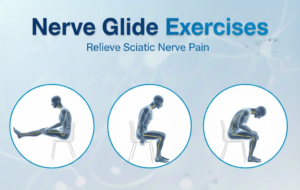
Nerve gliding, or nerve flossing, helps gently mobilize the sciatic nerve along its path, reducing irritation without aggressive stretching. A simple example involves lying on your back and extending one leg while flexing your foot upward, then slowly bending the knee. Repeat this movement 5–10 times, ensuring no sharp pain is felt. Nerve glides are effective for relieving sciatic nerve pain and can be incorporated safely under guidance from a physiotherapist in Dhaka.
Safety Note: Always perform these exercises gently and stop immediately if you experience sharp or worsening pain. Consistency, rather than intensity, is key to effective relief. Consulting a qualified pain specialist, Dr. S.M. Shahidul Islam in Dhaka, ensures these stretches are adapted to your specific condition for maximum benefit.
Sciatica Self-Care Tips
Effectively managing sciatica involves both professional treatment and daily self-care for sciatica. Focusing on a few main strategies can reduce pain and prevent flare-ups.
- Sleep posture is one of the most important factors in reducing sciatica. The best sleeping position during sciatica is lying on your side with a pillow between your knees or on your back with a small pillow under your knees. These positions keep the spine aligned and minimize pressure on the sciatic nerve. Using a supportive sciatica pillow can enhance comfort and maintain proper spinal alignment throughout the night.
- Ergonomic sitting is equally essential, particularly for people who spend long hours at desks or in traffic. Sitting with lumbar support, avoiding slouching, and taking regular standing breaks reduces stress on the lower back and prevents irritation of the sciatic nerve. If you want the best ergonomic chair for sitting in the office, contact the best pain specialist near you for a better suggestion.
- Daily habits play a critical role in preventing the causes of sciatica flare-ups. Avoid heavy lifting, sudden twisting, prolonged sitting, or activities that strain the lower back. Incorporating gentle movement, stretching, and exercises recommended by a physiotherapist can support nerve health and flexibility.
By prioritizing these key areas, proper sleep posture, pillow support, ergonomic sitting, and mindful daily habits, patients can actively manage sciatica pain. Combined with professional guidance, these self-care strategies promote faster recovery and reduce the risk of recurring episodes.
Best Medicine for Sciatica Pain
Many people worldwide look for the best medicine for sciatica pain to immediately get relief from sciatica, but they provide temporary relief from the pain. Short-term options often include non-steroidal anti-inflammatory drugs (NSAIDs) to reduce inflammation and over-the-counter pain relievers to ease discomfort. Muscle relaxants may also be prescribed if spasms contribute to nerve pain.
However, medications have limitations. They address symptoms but do not treat the underlying cause of sciatica, and long-term use can lead to side effects such as stomach irritation or dependency. Because each case of sciatica is different, it is crucial to seek medical guidance before starting any medication. A qualified pain specialist can recommend the right drug, dose, and combination with therapies like physiotherapy or acupuncture for safe and effective relief.
Sciatica During Pregnancy

Sciatica during pregnancy is common due to the extra weight, shifting posture, and hormone-related ligament changes that increase pressure on the sciatic nerve. This can cause pain radiating from the lower back to the leg, numbness, or tingling. For safe sciatica pain relief during pregnancy, non-drug options are recommended. Gentle physiotherapy, targeted stretches, and prenatal massage help relieve muscle tension and improve circulation. Maintaining proper sleep posture with pillows for support, using ergonomic seating, and light walking can also reduce discomfort.
Severe or persistent pain, weakness, or bladder and bowel changes should be evaluated by the best pain specialist. Following professional guidance ensures safe and effective management of sciatica during pregnancy.
How to Cure Sciatica Permanently
Truly addressing how to cure sciatica permanently requires treating the underlying cause rather than just masking symptoms. Conditions such as herniated discs, spinal misalignment, or chronic muscle imbalance need targeted care, including physiotherapy, exercises, and posture correction, to restore spinal health and relieve nerve pressure. Long-term rehabilitation is essential. Strengthening core and back muscles, maintaining flexibility, and following ergonomic practices help prevent future sciatica flare-ups.
Consult the SUO XI Hospital Expert Team for Sciatica
For effective management of sciatica, finding a qualified sciatic nerve pain specialist is essential. If you are looking for sciatica treatment near me in Dhaka, SUO XI Hospital offers expert evaluation and individualized care plans. Early consultation is particularly important if you experience red-flag symptoms such as severe leg weakness, progressive numbness, or loss of bladder or bowel control; these symptoms may indicate serious nerve involvement that requires immediate medical attention.
At SUO XI Hospital, treatment plans are carefully structured using evidence-based, non-surgical approaches including physiotherapy, acupuncture, ozone therapy, and advanced pain management techniques. This integrated care model focuses not only on relieving pain but also on restoring function and preventing long-term complications, supporting safe and sustainable recovery.