
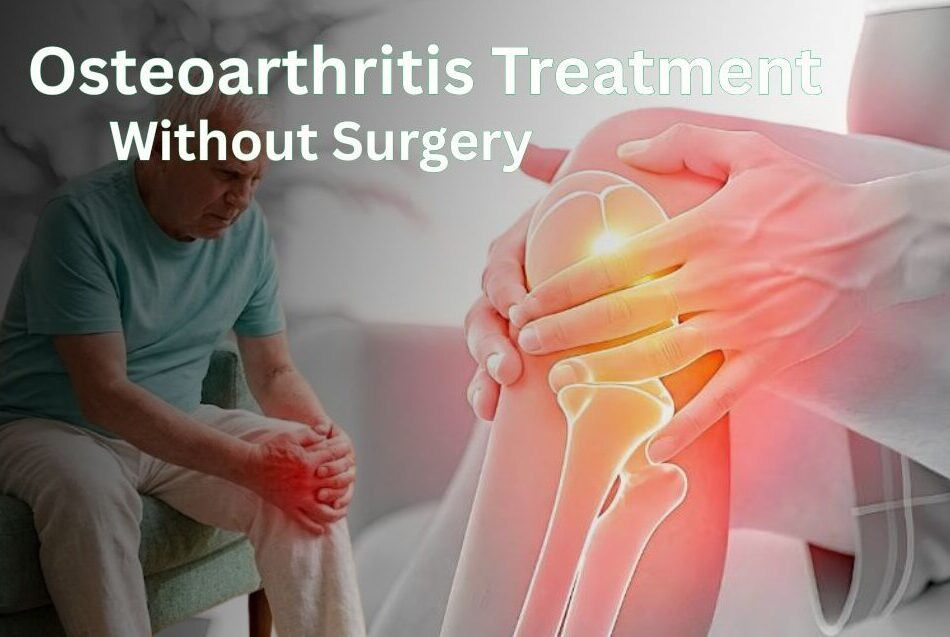
Osteoarthritis is no longer a disease limited to old age or Western countries. In Bangladesh, osteoarthritis has silently become one of the most common causes of chronic joint pain, disability, and reduced quality of life among adults all over Bangladesh. If you or your loved one suffers from knee pain, stiffness, joint swelling, or difficulty walking, this guide is for you. In this comprehensive article, we’ll explore:
- What osteoarthritis is
- Why is it increasing in Bangladesh
- Symptoms of Osteoarthritis
- Best treatment options for osteoarthritis that are available locally
- Lifestyle and prevention tips
- When to see a doctor in Bangladesh
Let’s break it down- honestly, and medically accurate.
What Is Osteoarthritis?
Osteoarthritis (OA) is a chronic, degenerative joint disease that develops when the protective cartilage covering of the ends of bones gradually breaks down over time. This cartilage normally allows joints to move smoothly and absorbs shock during everyday activities like walking, bending, or lifting. When cartilage becomes thin or damaged, the joint loses its natural cushioning. As a result:
- Bones begin to rub against each other, causing friction
- Movement becomes painful and uncomfortable
- Joints feel stiff, especially after rest or in the early morning
- Swelling and tenderness may develop around the joint
- Overall mobility slowly decreases, affecting daily life
Over time, the body may try to repair the damage by forming bone spurs (osteophytes), which can further limit movement and increase pain. Unlike rheumatoid arthritis, osteoarthritis is not an autoimmune disease and does not occur because the immune system attacks the joints. Instead, it is mainly linked to:
- Aging and natural wear-and-tear
- Mechanical stress on joints (from excess body weight or repetitive movements)
- Lifestyle factors such as a lack of physical activity
- Joint overuse or previous injury
- Poor posture and long-term joint strain are common in daily habits
In Bangladesh, osteoarthritis is especially common in weight-bearing joints like the knees, hips, and lower back, making routine activities like walking, climbing stairs, or standing for long periods painful and exhausting. To know more about treatment for arthritis in the lower back and hips, read more.
Treatment for Arthritis in Lower Back and Hips Without Surgery
Rheumatoid Arthritis Symptoms: Early Signs You Should Not Ignore
Why Osteoarthritis Is Increasing in Bangladesh
Osteoarthritis is rising steadily across Bangladesh, affecting people at younger ages and progressing faster than many expect. This is not happening by chance. A combination of demographic shifts, lifestyle changes, occupational stress, and cultural habits has created the perfect environment for osteoarthritis to become a major public health concern.
Below are the key Bangladesh-specific reasons behind this growing burden, explained in a practical, human way.
1. Aging Population: Living Longer, Facing Joint Wear
Bangladesh has made remarkable progress in healthcare over the last few decades. As a result, life expectancy has increased, and more people are now living well into their 60s, 70s, and beyond. While this is a positive achievement, aging naturally brings:
- Gradual cartilage wear and tear
- Reduced joint lubrication
- Slower tissue repair
The knee, hip, and spine joints that carry body weight every day are especially vulnerable. Since osteoarthritis risk increases sharply after age 50, a growing elderly population means a higher number of OA cases nationwide. In simple terms: more years of movement = more joint stress, especially without preventive care.
2. Obesity & Sedentary Lifestyle: A Silent Accelerator
Urbanization has changed how people in Bangladesh live and work. Desk jobs, long screen time, less walking, and limited exercise have become common, especially in cities like Dhaka and Chattogram. At the same time, diets high in:
- Refined rice
- Fried foods
- Sugary snacks and drinks
have led to a sharp rise in overweight and obesity. Even a small increase in body weight places four to six times more pressure on the knee joints with every step. Over time, this excess load speeds up cartilage breakdown and worsens joint pain.
3. Manual Labor & Repetitive Stress: The Occupational Reality
A large portion of Bangladesh’s workforce depends on physically demanding jobs. Farmers, construction workers, rickshaw pullers, factory and garment workers often perform repetitive movements such as:
- Squatting
- Lifting heavy loads
- Standing for long hours
- Bending knees and backs repeatedly
These repetitive stresses cause micro-damage to joints over the years. Without proper rest, ergonomic support, or early treatment, this damage accumulates and leads to early-onset osteoarthritis, sometimes even before the age of 45.
4. Delayed Medical Care: Treating Pain, Not the Problem
One of the biggest challenges of osteoarthritis is late diagnosis. Many people:
- Ignore early joint pain
- Consider stiffness a “normal part of aging.”
- Rely on painkillers from pharmacies without consultation
- Seek medical help only when pain becomes severe
Unfortunately, by the time many patients visit an orthopedic specialist, significant joint damage has already occurred. At that stage, treatment becomes more complex, costly, and sometimes surgical. Early intervention could slow progression, but delayed care allows osteoarthritis to advance quietly.
5. Cultural Sitting Habits & Knee Osteoarthritis in Bangladesh
In Bangladesh, everyday habits like sitting on the floor, squatting during household work, and using low toilets place continuous stress on the knee joints. Over time, these movements force the knee into deep flexion, increasing pressure on joint cartilage and speeding up knee osteoarthritis.
This risk becomes higher after age 40, especially in people who are overweight, physically active in manual jobs, or already experiencing knee pain. Many patients ignore early symptoms, assuming the pain is normal aging. Early warning signs include knee stiffness after sitting, pain while standing up, swelling, or grinding sounds during movement.
Simple changes, such as using chairs, avoiding prolonged squatting, maintaining a healthy weight, and doing knee-strengthening exercises, can significantly reduce joint damage. Persistent knee pain is not normal. Early orthopedic care can prevent long-term disability. In Bangladesh, if you are looking for the best osteoarthritis doctor in Dhaka and the best treatment for osteoarthritis and all types of arthritis, I highly recommend checking SUO XI Hospital (Acupuncture). Before the treatment procedure, they do a proper diagnosis to identify the grade of osteoarthritis. Call for a free consultation: 01720020080, 01920030040
Common Locations of Osteoarthritis
Many People want to know অস্টিওআর্থারাইটিস সবচেয়ে সাধারণ সাইট সম্পর্কে। As osteoarthritis is not an immune disease, it highly affects those joints that bear weight, especially knees, hips, and the lower back, and the small joints of the hand. However, in Bangladesh, certain types are seen far more frequently due to lifestyle habits, occupational strain, and aging. Understanding the affected joint helps in early diagnosis and proper treatment.
1. Knee Osteoarthritis
Knee osteoarthritis is the most common types of osteoarthritis that cause of chronic joint pain among Bangladeshi adults, including worldwide, especially after the age of 40. It happens due to excess body weight, prolonged squatting, floor sitting, and manual labor. Common symptoms of knee osteoarthritis include:
- Pain while walking, climbing stairs, or standing for long periods
- Difficulty standing up after sitting or squatting
- Crackling, grinding, or clicking sounds during knee movement
If untreated, knee OA can severely limit mobility and independence. So, if you feel knee pain and looking for হাটু ব্যাথা হলে করনীয় কী and what helps nerve pain after knee replacement, you can read our guide.
2. Hip Osteoarthritis
Hip osteoarthritis is less common than knee OA but can be equally disabling. Pain is often deep and confusing, leading to delayed diagnosis. Typical signs include:
- Pain in the groin, thigh, or buttock
- Limping while walking
- Reduced hip movement and stiffness
Many patients mistake hip OA pain for back or muscle problems.
3. Spine Osteoarthritis (Cervical & Lumbar OA)
Spinal osteoarthritis affects the neck (cervical spine) and lower back (lumbar spine) and is increasingly common due to poor posture, desk jobs, and long working hours. Symptoms may include:
- Chronic neck or lower back pain
- Morning stiffness that improves with movement
- Radiating pain, numbness, or tingling in arms or legs
Early treatment helps prevent nerve compression and long-term disability.
4. Hand Osteoarthritis
Hand osteoarthritis often affects finger joints and the base of the thumb, especially in older adults and women. Common features are:
- Swollen or stiff finger joints
- Reduced grip strength
- Hard, bony enlargements around joints
Although not life-threatening, hand OA can make daily tasks like writing, cooking, or buttoning clothes difficult. Early recognition of osteoarthritis type allows targeted treatment, better pain control, and long-term joint protection.
Early Symptoms of Osteoarthritis
Osteoarthritis usually develops slowly and quietly, often without dramatic warning signs. In the early stage, symptoms may feel minor or come and go, which is why many people delay seeking medical care until joint damage has already progressed. However, early detection is one of the most powerful tools in managing osteoarthritis.
Common Early Signs of Osteoarthritis You Should Pay Attention To
- Mild joint pain after activity: One of the earliest and most common signs of osteoarthritis is pain that appears after movement, not during rest. You may feel discomfort after walking, climbing stairs, standing for long periods, or doing routine household work. The pain often eases with rest but returns each time the joint is used, especially in weight-bearing joints like the knee or hip.
- Morning stiffness or stiffness after rest: After waking up in the morning or after sitting for a long time, you can feel the tightness of your joints. This stiffness usually lasts less than 30 minutes and improves once you start moving. Many people dismiss this as normal aging, but it can be an early warning sign of osteoarthritis.
- Clicking, popping, or cracking sounds: Hearing or feeling sounds during joint movement, particularly in the knee, may indicate early cartilage thinning or uneven joint surfaces. While occasional sounds can be harmless, frequent clicking combined with pain or stiffness should not be ignored.
- Occasional swelling or tenderness: In the early stage, swelling is usually mild and may appear after increased physical activity. The joint may feel slightly warm or tender to the touch and then settle down with rest. This intermittent swelling reflects low-grade joint inflammation.
- Reduced flexibility or range of motion: You may notice difficulty fully bending or straightening the joint, such as the knee, hip, fingers, neck, or lower back. This loss of flexibility often develops gradually and can make simple movements feel uncomfortable or restricted.
Why These Symptoms Are Often Ignored
Many patients assume:
- “This is just normal aging.”
- “Pain will go away on its own.”
- “It’s nothing serious yet.” However, osteoarthritis is not a normal part of aging. These early warning signs mean the joint is already under stress and needs attention. If joint pain or stiffness lasts more than 1–2 weeks, especially in people over 40, it’s wise to consult an orthopedic specialist early. Because early care protects your joints and your future mobility.
Advanced Symptoms of Osteoarthritis (When the Condition Progresses)
Most of the people worldwide, the Bangladeshi people especially, want to know which is the best medicine for osteoarthritis? Or, how do I cure my osteoarthritis? But instead of following the specialist’s suggestions, they just depend on the অস্টিও আর্থ্রাইটিসের ঘরোয়া উপায়, the condition gradually progresses to an advanced stage. At this point, joint damage becomes significant, and symptoms start affecting not just movement but overall independence and quality of life. Many patients in Bangladesh reach this stage after years of ignoring early warning signs, relying on painkillers, or delaying orthopedic consultation.
Key Advanced Symptoms of Osteoarthritis
- Constant joint pain, even at rest: Pain is no longer limited to activity. It may persist while sitting, lying down, or even during sleep. Night pain is a strong indicator of advanced joint degeneration.
- Severe and prolonged stiffness: Joint stiffness becomes intense and lasts much longer than before. Movements feel restricted throughout the day, not just in the morning or after rest.
- Visible joint deformity: As cartilage wears away and bones change shape, joints—especially the knees and fingers—may appear bowed, enlarged, or misaligned. This is a clear sign of structural damage.
- Muscle weakness around the joint: Pain and reduced movement lead to muscle wasting, particularly in the thighs around the knee. Weak muscles further reduce joint stability and worsen pain.
- Difficulty walking, standing, or climbing stairs: Simple daily activities become exhausting and painful. Many patients struggle to walk even short distances without support.
- Increased dependency on others: Advanced osteoarthritis can interfere with prayer, household work, employment, and self-care. Patients may require assistance for routine tasks, affecting their emotional well-being and independence.
Why Advanced Osteoarthritis Needs Medical Attention
At this stage, conservative treatments alone may no longer be effective. While medications and physiotherapy can still provide some relief, they often cannot restore function adequately. In many advanced cases, interventional procedures or surgical options, such as joint replacement, may be recommended to relieve pain and restore mobility.
An Important Reminder
Advanced osteoarthritis does not develop overnight. It is usually the result of years of untreated joint stress and delayed care. Recognizing symptoms early and seeking timely treatment can prevent reaching this stage.
If joint pain has become constant, movement is severely limited, or daily life depends on others, it’s time to consult an orthopedic specialist without delay. Early action, even at advanced stages, can still dramatically improve quality of life.
Who Is Most at Risk of Osteoarthritis in Bangladesh?
Osteoarthritis can affect anyone, but in Bangladesh, certain groups face a much higher risk due to a mix of biological, lifestyle, and occupational factors. Identifying these high-risk groups early helps with prevention, timely diagnosis, and better long-term outcomes. Below are the groups most commonly affected:
Adults Over 45 Years
As we age, joint cartilage naturally loses its strength and elasticity. After the age of 45, the body’s ability to repair worn cartilage slows down, making joints more vulnerable to degeneration. This is why osteoarthritis is especially common in middle-aged and older adults.
Women (Especially After Menopause)
Women are more likely to develop osteoarthritis than men, particularly after menopause. Hormonal changes—especially reduced estrogen—affect bone density, joint lubrication, and cartilage health. Many Bangladeshi women also spend years doing repetitive household work, which adds extra joint strain.
Overweight and Obese Individuals
Excess body weight places significant extra pressure on weight-bearing joints, especially the knees and hips. Every additional kilogram increases joint stress multiple times during walking or climbing stairs. Obesity is one of the strongest modifiable risk factors for knee osteoarthritis in Bangladesh.
People Living With Diabetes
Diabetes is increasingly common in Bangladesh and is closely linked with osteoarthritis. High blood sugar levels contribute to low-grade inflammation, reduced blood supply to joints, and slower tissue healing, all of which accelerate cartilage damage. Read more to know –
Traditional Chinese Medicine for Diabetes
People With Previous Joint Injuries
Past injuries such as fractures, ligament tears, or untreated knee trauma can permanently alter joint structure. Even injuries from many years ago may lead to early-onset osteoarthritis, especially if proper rehabilitation was not completed.
Manual Laborers and Physically Demanding Workers
Farmers, construction workers, garment workers, rickshaw pullers, and others who perform repetitive movements, heavy lifting, prolonged standing, or squatting face constant mechanical stress on their joints. Over time, this repetitive load speeds up joint wear and tear.
People With a Family History of Osteoarthritis
Genetics also plays a role. If close family members have osteoarthritis, the risk is higher due to inherited joint structure, cartilage quality, or bone alignment. While genetics can’t be changed, early lifestyle adjustments can delay symptoms.
How Osteoarthritis Is Diagnosed in Bangladesh
Diagnosing osteoarthritis is usually simple, safe, and affordable in Bangladesh when done at the right time. Doctors focus on combining clinical findings with imaging, rather than relying on a single test. Early and accurate diagnosis helps guide the right treatment and prevents unnecessary pain or complications.
Here’s how osteoarthritis is commonly diagnosed in Bangladeshi hospitals and orthopedic clinics:
1. Clinical Examination
The diagnosis of osteoarthritis often begins with a detailed physical examination. An orthopedic doctor carefully listens to the patient’s symptoms and examines the affected joint. During this step, doctors assess:
- Joint movement and flexibility – how well the joint bends and straightens
- Pain points – where pain is felt and when it worsens
- Swelling or tenderness around the joint
- Joint stability and alignment
- Gait pattern – how the patient walks, limps, or bears weight
This hands-on evaluation often provides strong clues, especially in knee, hip, and spine osteoarthritis.
2. X-Ray Imaging (Most Common Test)
X-rays are the primary imaging tool used to confirm osteoarthritis in Bangladesh. They are widely available, quick, and cost-effective. An X-ray can show:
- Joint space narrowing (a key sign of cartilage loss)
- Bone spurs (osteophytes) are forming around the joint
- Changes in bone shape or alignment
- Signs of advanced joint degeneration
For many patients, an X-ray combined with symptoms is enough to confirm the diagnosis.
3. MRI Scan (If Needed)
MRI is not required for every patient, but it is useful in certain situations, such as:
- Early-stage osteoarthritis, where X-rays appear normal
- Persistent pain with unclear diagnosis
- Suspected cartilage, ligament, or meniscus damage
- Younger patients with joint symptoms
MRI provides a detailed view of cartilage, soft tissues, and early joint changes, helping doctors plan appropriate treatment.
4. Blood Tests (To Rule Out Other Conditions)
There is no specific blood test that diagnoses osteoarthritis. However, doctors may order blood tests to exclude other causes of joint pain, such as:
- Rheumatoid arthritis
- Gout
- Joint infection
- Inflammatory or autoimmune diseases
Normal blood test results, combined with imaging and symptoms, often support a diagnosis of osteoarthritis. Why Early Diagnosis Matters. Many people in Bangladesh delay diagnosis, assuming joint pain is normal aging. Unfortunately, late diagnosis often means: More severe pain, Limited non-surgical treatment options, Higher treatment costs. Early diagnosis allows timely physiotherapy, lifestyle changes, and pain management—often preventing disease progression and surgery.
Modern Osteoarthritis Treatment Options in Bangladesh
Osteoarthritis is a common cause of long-term joint pain, especially in the knees, hips, and spine. While many people assume surgery is the only option, several effective non-surgical osteoarthritis treatment methods are available. Pain killers for osteoarthritis pain can help manage symptoms, but comprehensive osteoarthritis treatment without surgery, including physiotherapy, lifestyle changes, and targeted therapies, focuses on reducing pain, improving movement, and slowing joint damage naturally.
1. Lifestyle Modification
Lifestyle changes are the cornerstone of osteoarthritis management, especially in early and moderate stages. Simple, consistent adjustments can dramatically reduce joint stress and pain. Key recommendations include:
- Weight reduction to decrease pressure on the knee and hip joints
- Low-impact exercises such as walking, cycling, or swimming
- Avoiding squatting and prolonged floor sitting
- Using knee supports or walking aids when necessary
Even a 5–10% reduction in body weight can significantly reduce knee pain and improve daily function. For many patients, this alone leads to noticeable relief.
2. Physiotherapy for Osteoarthritis
Physiotherapy is considered one of the most effective non-surgical treatments for osteoarthritis and is widely available in major cities across Bangladesh. Benefits of physiotherapy for osteoarthritis include: 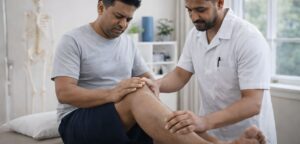
Physiotherapy is one of the most effective non surgical osteoarthritis treatment options and is widely available in major cities across Bangladesh. It helps strengthen the muscles around affected joints, improve joint flexibility and balance, reduce pain without relying on pain killers for all types of arthritis pain, and enhance long-term mobility so patients can maintain an active and independent lifestyle.
Common physiotherapy approaches:
- Quadriceps and hip muscle strengthening
- Range-of-motion and stretching exercises
- Heat therapy and ultrasound therapy for pain relief
Regular, guided physiotherapy helps stabilize joints and prevents further damage.
Benefits of Manual Physiotherapy
Electro physiotherapy for osteoarthritis and pain management
3. Best Medications for Osteoarthritis (Symptom Control, Not a Cure)
Medications are used to manage pain and inflammation, especially during flare-ups. However, they do not reverse cartilage damage. Commonly prescribed options include:
- Paracetamol for mild pain
- NSAIDs (used cautiously and for short periods)
- Topical pain-relief gels or creams
Long-term or unsupervised use of painkillers can cause stomach, kidney, and heart complications. Always use medications under medical guidance.
4. Joint Injections (Advanced Non-Surgical Options)
For patients who do not get enough relief from physiotherapy and medications, joint injections offer targeted pain control. Available options in advanced orthopedic centers include:
- Corticosteroid injections – reduce inflammation and pain temporarily
- Hyaluronic acid injections – improve joint lubrication and movement
- PRP (Platelet-Rich Plasma) therapy – an emerging option aimed at reducing inflammation and promoting healing
These injections can delay the need for surgery in selected patients.
5. Non-Surgical Osteoarthritis Treatment: Acupuncture Therapy
Alongside lifestyle modification, physiotherapy, medications, and joint injections, an important and highly effective option for non-surgical osteoarthritis treatment is acupuncture therapy, which is successfully offered at Suoxi Hospital.
At Shoshi Hospital, acupuncture treatment for osteoarthritis is provided as a safe, drug-free, and surgery-free approach for patients suffering from knee osteoarthritis, joint pain, and joint stiffness.
Benefits of Acupuncture in Modern Medicine | Dr. S.M. Shahidul Islam
How acupuncture helps in osteoarthritis management:
- Reduces chronic joint pain and inflammation
- Improves blood circulation around affected joints
- Stimulates the body’s natural pain-relieving mechanisms
- Enhances joint mobility and flexibility
- Decreases dependency on painkillers and long-term medications
This non-surgical acupuncture therapy is especially suitable for patients who want to avoid knee replacement surgery, are in early to moderate stages of osteoarthritis, do not get enough relief from medications or physiotherapy alone, or are not medically fit for surgery.
At Shoshi Hospital, acupuncture for osteoarthritis is delivered by trained professionals and customized according to the patient’s disease stage, age, and lifestyle. It is often combined with physiotherapy, weight management, and exercise guidance for better and longer-lasting results. Osteoarthritis does not always require surgery. With the right non-surgical treatment, especially acupuncture therapy, pain can be controlled, and mobility can be restored safely and naturally.
6. Surgical Treatment (When Conservative Care Fails)
When osteoarthritis becomes severe and daily life is significantly affected, surgery may be recommended.
Partial or Total Knee Replacement
Knee replacement surgery is now commonly and successfully performed in Bangladesh, with modern techniques and good long-term outcomes.
Indications include:
- Severe, constant joint pain
- Failure of non-surgical treatments
- Significant limitation in walking and daily activities
Recovery overview:
- Hospital stay: 3–5 days
- Walking usually starts within a few days
- Most patients return to routine activities within weeks
For many, surgery offers long-term pain relief and restored independence. If you want to know what helps nerve pain after knee replacement, and how long does pain last after knee replacement, contact us: 017 200 200 80, 019 200 300 40
Diet for Osteoarthritis Patients in Bangladesh
While diet cannot cure osteoarthritis (OA), it plays an important role in reducing inflammation, supporting joint health, and controlling body weight, which directly affects knee pain, hip pain, and overall joint mobility. For patients in Bangladesh, simple dietary adjustments using familiar foods can make a noticeable difference in daily comfort and long-term joint function.
Regular intake of anti-inflammatory foods helps protect cartilage, improves joint lubrication, and supports muscle strength around affected joints. 
Foods to Eat
Eating the right foods helps reduce osteoarthritis symptoms and supports bone and cartilage health.
- Fish (Hilsa, Rui) – rich in omega-3 fatty acids, which help reduce joint inflammation and stiffness
- Green leafy vegetables – provide antioxidants, calcium, and vitamin K for bone strength
- Turmeric – contains curcumin, a natural anti-inflammatory compound helpful for arthritis pain
- Ginger – helps reduce joint swelling and improves blood circulation
- Nuts and seeds – supply healthy fats, magnesium, and protein for muscle and joint support
- Fruits rich in Vitamin C (orange, guava, lemon) – support collagen production and cartilage repair
Foods to Limit
Certain foods can worsen inflammation, increase body weight, and accelerate joint wear and tear.
- Excess rice and refined carbohydrates contribute to weight gain and increased knee joint pressure
- Fried foods promote inflammation and poor joint health
- Sugary drinks – increase inflammatory markers and worsen arthritis pain
- Processed snacks – contain unhealthy fats and preservatives that negatively affect joint function
Maintaining a balanced diet, staying hydrated, and avoiding excessive calories can significantly improve osteoarthritis management. Combined with exercise, physiotherapy, and medical care, proper nutrition helps patients in Bangladesh stay active and independent longer.
Can Osteoarthritis Be Prevented?
Osteoarthritis prevention is not always possible, but disease progression can be slowed with the right habits and early care. Small, consistent changes protect joint cartilage, reduce knee pain, and preserve long-term mobility, especially for people in Bangladesh.
Prevention tips that truly help:
- Maintain a healthy body weight to reduce knee joint pressure and hip stress
- Exercise regularly with low-impact activities (walking, cycling, swimming) to strengthen supporting muscles
- Avoid joint overuse, such as repeated squatting, heavy lifting, and prolonged floor sitting
- Treat joint injuries early to prevent post-traumatic osteoarthritis
- Sit properly by using chairs instead of floor seating to lower knee flexion stress
When Should You See a Doctor?
Early consultation leads to better outcomes and lower treatment costs. See an orthopedic specialist if:
- Joint pain lasts more than 2 weeks
- Joint swelling persists or returns frequently
- Walking becomes difficult or painful
- Pain affects sleep or daily activities
- Painkillers no longer help or are needed often
Cost of Osteoarthritis Treatment in Bangladesh
Treatment costs vary by city, hospital, and disease stage, but options are widely available:
- Consultation: Affordable
- Physiotherapy: Moderate
- Joint injections: Mid-range
- Knee replacement surgery: Higher cost, but a long-term solution
Many hospitals now offer installment plans or treatment packages, making care more accessible.
Final Thoughts
Osteoarthritis is one of the most misunderstood yet manageable joint conditions in Bangladesh. Many people accept joint pain as a normal part of aging, but persistent knee pain, joint stiffness, or difficulty walking should never be ignored. These are clear signals that your joints need proper care.
With today’s modern medical care, physiotherapy, lifestyle modification, and effective non-surgical treatments including acupuncture therapy, most patients can successfully control pain, improve mobility, and maintain an active, independent life. Surgery is not always necessary, especially when treatment begins early and follows a structured, step-by-step approach. If you suspect osteoarthritis, don’t wait and don’t self-treat for long periods. Early diagnosis and timely treatment can slow disease progression, reduce long-term costs, and protect your quality of life.