

Erectile Dysfunction in Diabetic Men is far more common than most people realize- and far more treatable than many believe. If you or someone you care about is living with diabetes and struggling with sexual performance, you’re not alone. Research shows that men with diabetes are 3-4 times more likely to develop erectile dysfunction (ED) compared to non-diabetic men. Yet many suffer in silence due to embarrassment, fear, or misinformation.
This comprehensive guide explains:
- How diabetes affects a man sexually
- The relationship between diabetes and erectile dysfunction
- Type 1 and Type 2 diabetes and erectile dysfunction
- Whether a diabetic man can remain sexually active and fertile
- Best non-surgical treatments and medication for Erectile Dysfunction.
Most importantly, this article focuses on how to Overcome Erectile Dysfunction With Diabetes.
Understanding Diabetes
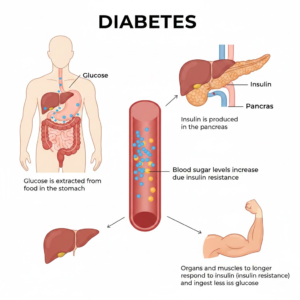
Diabetes is a long-term metabolic disorder that affects how the body converts food into energy- specifically how it regulates blood sugar (glucose). When blood sugar levels remain high for extended periods, diabetes slowly damages vital systems in the body, including blood vessels, nerves, hormones, and the immune system.
These systems play a crucial role in male sexual health, which is why diabetes is one of the leading medical causes of erectile dysfunction in diabetic men.
Over time, poor glucose control reduces blood circulation, weakens nerve signals, and disrupts hormonal balance. Together, these changes make it difficult to achieve or maintain a firm erection, even when sexual desire is present.
Two primary types of diabetes commonly affect male sexual function:
Type 1 Diabetes
Type 1 diabetes is an autoimmune condition in which the body mistakenly attacks insulin-producing cells in the pancreas. It is usually diagnosed during childhood or early adulthood and requires lifelong insulin therapy for survival.
Men with Type 1 diabetes may experience erectile dysfunction earlier in life, especially if blood sugar levels fluctuate frequently. Long-term nerve damage, reduced nitric oxide production, and hormonal imbalance are common contributors to sexual dysfunction in these patients.
Type 2 Diabetes
Type 2 diabetes is the most common form and is closely linked to insulin resistance. It is often associated with obesity, physical inactivity, stress, and aging. Unlike Type 1, Type 2 diabetes may initially develop silently, with symptoms appearing only after complications begin.
Type 2 diabetes diabetes is a major cause of erectile dysfunction due to reduced blood flow, diabetic neuropathy, low testosterone levels, and cardiovascular disease. The good news is that this form of diabetes can often be managed- and sometimes improved- through lifestyle changes, oral medications, insulin therapy, and targeted erectile dysfunction treatment. If you want to know how to deal with erectile dysfunction with diabetes, and how to cure erectile dysfunction permanently, read the guide: Best Ways to Increase Blood Flow to Penis Naturally
Uncontrolled Type 1 and Type 2 diabetes can directly lead to erectile dysfunction in men. However, with early diagnosis, proper blood sugar management, and the right treatment approach, sexual health can be significantly improved. For people looking for the best lifestyle to manage diabetes and the best erectile dysfunction treatment near me, you can contact SUO XI Hospital (Acupuncture) in Shantinagar, Dhaka.
Key Mechanisms Behind Diabetic Erectile Dysfunction
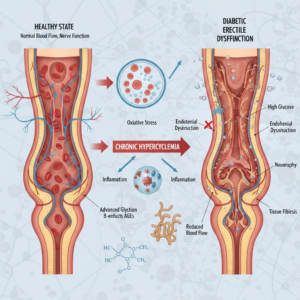
1. Blood Vessel Damage (Diabetic Vasculopathy)
Healthy erections depend on strong and flexible blood vessels that allow adequate blood flow to the penis during arousal. In men with diabetes, long-term high blood sugar damages the inner lining of the arteries, causing them to narrow and stiffen. This reduced circulation limits penile blood flow and makes it harder to achieve and maintain a firm erection.
Because vascular damage is a major cause of erectile dysfunction, improving circulation becomes essential. Regular physical activity is important, as certain exercises improve blood flow and performance in men by enhancing overall vascular health. Aerobic workouts and targeted exercise for penis support, such as pelvic floor training, can help. Alongside medical care, natural ways to increase penile blood flow include proper glucose control, heart-healthy nutrition, weight management, and quitting smoking. For men wondering how to get harder erections, addressing blood vessel health is often the best way to treat erectile dysfunction linked to diabetes.
2. Nerve Damage (Diabetic Neuropathy)
Diabetes can damage the nerves responsible for transmitting sexual stimulation signals from the brain to the penis. This condition, known as diabetic neuropathy, weakens or delays these signals.
When nerve communication is impaired, erections may become inconsistent, less firm, or difficult to maintain- even when desire is present. Nerve damage also reduces penile sensitivity, further affecting sexual performance. So, to improve harder erections, if you want to know what the best treatment is for diabetic neuropathy, read our guide.
3. Hormonal Imbalance and Low Testosterone
Men with diabetes are more likely to experience low testosterone levels, especially those with Type 2 diabetes. Testosterone plays a vital role in libido, energy, mood, and erection quality.
Hormonal imbalance can reduce sexual desire, worsen erectile dysfunction, and make standard erectile dysfunction medication less effective. This is why addressing hormonal health is essential in diabetic ED treatment.
4. Oxidative Stress and Chronic Inflammation
Chronic high blood sugar increases oxidative stress and systemic inflammation in the body. This process interferes with the production of nitric oxide- a key chemical that relaxes blood vessels and allows erections to occur.
Without adequate nitric oxide, penile blood vessels cannot fully dilate, leading to weak or incomplete erections even in otherwise healthy men.
Together, these factors explain why erectile dysfunction in diabetic men usually develops gradually rather than suddenly. What may start as mild erection difficulty can progress over time if diabetes is not properly managed.
The encouraging news is that early intervention, blood sugar control, and targeted treatments- especially non-surgical and regenerative options- can significantly improve sexual function and overall quality of life.
Together, these factors explain why erectile dysfunction in diabetic men usually develops gradually rather than suddenly. What may start as mild erection difficulty can progress over time if diabetes is not properly managed.
The encouraging news is that early intervention, blood sugar control, and targeted treatments- especially non-surgical and regenerative options- can significantly improve sexual function and overall quality of life.
How Does Diabetes Affect a Man Sexually?
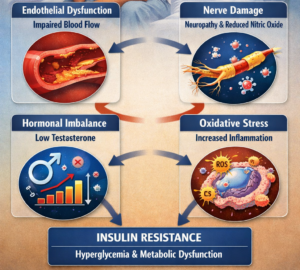
Diabetes affects a man sexually in more ways than just erections. While erectile dysfunction in diabetic men is the most widely discussed issue, diabetes can influence sexual desire, performance, satisfaction, and emotional well-being as a whole.
Sexual function relies on a delicate balance between the nervous system, blood circulation, hormones, and mental health. Diabetes gradually disrupts this balance, often leading to multiple sexual health concerns that may appear slowly over time.
Many men initially ignore these changes or attribute them to stress, aging, or work pressure. However, when diabetes is the underlying cause, symptoms tend to persist or worsen without proper treatment.
Common Sexual Problems in Diabetic Men
Men living with diabetes may experience one or more of the following sexual health issues:
-
Difficulty achieving or maintaining an erection
Reduced blood flow and nerve damage make erections weaker, less reliable, or shorter-lasting.
-
Reduced sexual desire (low libido)
Hormonal imbalance, especially low testosterone, can lower interest in sex and intimacy.
-
Delayed or absent ejaculation:
Diabetic neuropathy may interfere with ejaculation reflexes, leading to delayed climax or no ejaculation at all.
-
Reduced orgasm intensity
Even when ejaculation occurs, orgasms may feel less intense or satisfying due to nerve sensitivity loss.
-
Performance anxiety and depression
Repeated sexual difficulties often create fear of failure, stress, low self-esteem, and avoidance of intimacy.
These problems are not isolated. In many cases, physical symptoms and psychological stress reinforce each other, making sexual dysfunction more challenging if left untreated.
Because sexuality is closely linked to confidence, masculinity, and emotional connection, untreated erectile dysfunction and sexual problems in diabetic men often lead to emotional distress, relationship tension, and marital strain. Partners may misinterpret the issue as a lack of attraction or interest, further deepening misunderstandings.
The good news is that these sexual complications are not permanent or inevitable. With proper blood sugar control, early diagnosis, and targeted treatment- including non-surgical and holistic approaches- many men regain satisfying sexual function and confidence.
Related: how to overcome premature ejaculation.
Type 1 Diabetes and Erectile Dysfunction
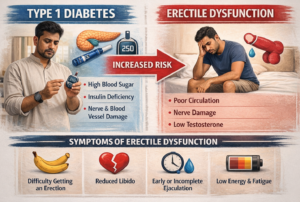
Men with Type 1 diabetes may experience erectile dysfunction earlier in life compared to the general population, particularly when blood sugar levels have been unstable over long periods. Because Type 1 diabetes often begins in childhood or adolescence, the cumulative effects of chronic high or fluctuating glucose can impact sexual health at a younger age.
Erectile dysfunction in men with Type 1 diabetes is not a reflection of masculinity or desire- it is a medical complication rooted in changes to nerves, blood vessels, and hormonal regulation. In many cases, ED becomes noticeable after years of insulin dependency, especially if diabetes management has been challenging.
Unlike age-related erectile issues, ED associated with Type 1 diabetes is more closely tied to duration of the disease and quality of glucose control, rather than lifestyle alone.
Why Type 1 Diabetes Causes Erectile Dysfunction
Several biological factors explain the higher risk of erectile dysfunction in men with Type 1 diabetes:
- Long-term insulin dependency: Lifelong insulin use is essential for survival, but fluctuating blood glucose levels over time increase the risk of vascular and nerve damage, both of which are critical for healthy erections.
- Early onset nerve damage (diabetic neuropathy): Men with Type 1 diabetes may develop nerve damage earlier due to the longer duration of the disease. Damaged nerves weaken the signals between the brain and the penis, making it difficult to initiate or sustain an erection.
- Increased oxidative stress: Chronic high blood sugar increases oxidative stress in the body, which damages the blood vessel lining and reduces nitric oxide availability- an essential factor for penile blood flow and erection quality.
- Hormonal instability: Type 1 diabetes can disrupt normal hormone regulation, including testosterone levels. Low or fluctuating testosterone may reduce libido, energy, and sexual performance, further contributing to erectile dysfunction.
Because these changes develop gradually, many men dismiss early symptoms such as softer erections or reduced stamina. However, these signs often indicate early diabetic complications rather than temporary stress.
The encouraging news is that early intervention dramatically improves outcomes. When erectile dysfunction in Type 1 diabetes is addressed promptly- alongside proper blood sugar control- many men experience significant improvement. Non-drug and regenerative therapies that focus on nerve repair, vascular health, and hormonal balance are especially beneficial, as they treat the root causes rather than masking symptoms. With the right treatment approach, men with Type 1 diabetes can maintain a healthy, active, and satisfying sex life.
Can a Diabetic Man Be Sexually Active?

Yes – absolutely.
A man with diabetes can remain sexually active, intimate, and satisfied with the right medical care, lifestyle choices, and emotional support. Diabetes does not mean the end of a healthy sex life. In fact, many men with diabetes continue to enjoy fulfilling sexual relationships once their condition is properly managed.
Erectile dysfunction in diabetic men may create physical or psychological barriers, but these challenges are manageable and often reversible. With stable blood sugar control and targeted erectile dysfunction treatment, sexual activity is not only safe but also beneficial.
How Diabetes Management Supports Sexual Activity
Sexual health improves when diabetes is under control. The following factors play a key role in helping diabetic men stay sexually active:
- Stable blood sugar levels: Consistent glucose control protects blood vessels and nerves, which are essential for strong and reliable erections.
- Healthy diet and regular exercise: Physical activity improves circulation, boosts testosterone levels, and enhances overall sexual performance while reducing insulin resistance.
- Targeted erectile dysfunction treatment: Personalized treatment- whether medication, non-surgical therapy, or holistic options- helps restore confidence and erectile function.
- Stress reduction and mental well-being: Chronic stress and anxiety can worsen erectile dysfunction. Relaxation techniques, counseling, and proper sleep improve sexual response.
- Open partner communication: Honest communication with a partner reduces performance anxiety, strengthens emotional connection, and improves intimacy.
Is Sexual Activity Safe for Diabetic Men?
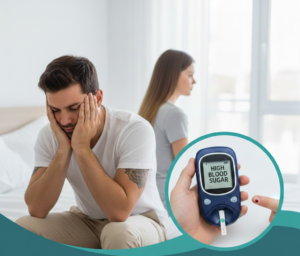
Yes. When practiced safely and under proper medical guidance, sexual activity is generally safe for diabetic men and is not harmful to overall health. In fact, many healthcare providers consider regular, comfortable sexual activity to be a positive part of managing both diabetes and male sexual health.
For men experiencing erectile dysfunction in diabetic men, intimacy may feel stressful at first. However, once blood sugar levels are reasonably controlled and appropriate treatment is in place, sexual activity can offer both physical and emotional benefits.
Health Benefits of Sexual Activity for Diabetic Men
Engaging in regular sexual activity may help:
-
Improve blood circulation:
Better circulation supports erectile function and overall cardiovascular health.
-
Enhance mood and emotional well-being:
Sexual activity releases endorphins and oxytocin, which reduce anxiety, boost confidence, and improve mental health.
-
Lower stress hormones:
Reduced stress levels help stabilize blood sugar and decrease performance-related anxiety.
-
Support insulin sensitivity:
Physical activity, including sex, can assist the body in using insulin more effectively.
-
Strengthen emotional and partner bonding:
Intimacy improves communication, trust, and relationship satisfaction, which are often affected by erectile dysfunction.
Many medical experts view healthy sexual activity as part of a balanced lifestyle, even for men managing chronic conditions such as Type 1 or Type 2 diabetes.
If erectile difficulties continue, it’s important not to withdraw from intimacy or feel discouraged. Early evaluation and treatment for erectile dysfunction in diabetic men– especially non-surgical and holistic options- can help protect long-term sexual health while preserving emotional connection and relationship quality.
Can a Man with Diabetes Get a Woman Pregnant?

Yes, a man with diabetes can get a woman pregnant. Diabetes does not automatically cause infertility, and many men with diabetes can successfully get a woman pregnant. In most cases, the primary challenge is not sperm production but erectile dysfunction or sexual performance issues, which are highly treatable.
It’s important to understand that erectile dysfunction in diabetic men is not the same as infertility. While diabetes may affect sexual function, ejaculation and sperm production often remain intact, especially when blood sugar levels are well controlled.
Related: Erectile Dysfunction Treatment In Dhaka: Causes, Symptoms, and Non Surgical Options
Fertility Considerations in Men with Diabetes
Several key factors influence fertility in diabetic men:
- Well-controlled blood sugar improves sperm quality: Stable glucose levels support healthy sperm count, motility, and morphology. Poorly controlled diabetes, on the other hand, may reduce sperm quality over time.
- Erectile dysfunction does not equal infertility: Many diabetic men experience difficulty achieving or maintaining an erection, but still produce healthy sperm. Once erectile function improves, natural conception is often possible.
- Ejaculation and sperm production often remain normal: In most diabetic men, the testes continue to produce sperm normally. Even when ejaculation is delayed or reduced, fertility potential usually remains present.
- Hormonal balance plays a supportive role: Testosterone imbalance may affect libido and sexual performance, but correcting hormonal issues often improves both fertility and erectile health.
When erectile dysfunction interferes with sexual activity, treating the underlying cause- such as poor circulation, nerve damage, or stress- can restore both sexual confidence and reproductive ability. Many men notice improved intimacy and fertility potential once erectile dysfunction treatment begins.
With proper diabetes management, healthy lifestyle habits, and appropriate treatment for erectile dysfunction in diabetic men, fatherhood remains a very realistic and achievable goal.
Best Medicine for Erectile Dysfunction Due to Diabetes

Erectile dysfunction in men with diabetes often results from reduced blood flow and nerve damage. ED specialists commonly prescribe oral medications like Sildenafil, Tadalafil, or Vardenafil to improve blood flow to the penis and help achieve harder erections. While these medicines can provide effective short-term relief, diabetes-related ED may require a broader approach for lasting results.
For men looking for natural ways to increase penile blood flow or enhance sexual performance without medication, SUO XI Hospital offers expert guidance, exercise programs, specially designed kegel exercises for ED, and lifestyle strategies aimed at improving vascular health and supporting erectile function. A combination of professional care and healthy habits is often the most effective way to treat erectile dysfunction in diabetic men.
Related: Erectile Dysfunction Treatment Without Medicine and Surgery
Common Erectile Dysfunction Medications
The most commonly prescribed medicines for erectile dysfunction due to diabetes include:
- Sildenafil (Viagra): Works by increasing blood flow to the penis and is usually taken before sexual activity.
- Tadalafil (Cialis): Known for its longer duration of action, allowing more flexibility and spontaneity.
- Vardenafil: Similar to sildenafil, often used when other medications are less effective.
- Avanafil: A newer option with a faster onset and potentially fewer side effects for some patients.
These medications belong to a class called PDE5 inhibitors and are widely used in managing erectile dysfunction in diabetic men.
Limitations of Erectile Dysfunction Medication in Diabetic Men
While these medicines can be effective, many diabetic men report challenges such as:
-
Reduced effectiveness over time:
Because diabetes damages blood vessels and nerves, medications may not work as well as they do in non-diabetic men.
-
Dependency on medication:
Some men find they cannot achieve an erection without pills, leading to psychological reliance.
-
Unwanted side effects:
Common side effects include headaches, facial flushing, dizziness, nasal congestion, and occasional vision disturbances.
-
Limited impact on underlying causes:
These medications improve blood flow temporarily but do not repair nerve damage, hormonal imbalance, or vascular deterioration caused by diabetes.
It’s important to understand that erectile dysfunction medication treats symptoms- not the root cause of diabetic erectile dysfunction.
Because of this, an increasing number of patients are now exploring non-surgical and regenerative treatment options that focus on restoring natural erectile function. These approaches aim to improve circulation, support nerve healing, balance hormones, and enhance long-term sexual health- especially important for men living with diabetes.
Non-Surgical Treatment for Erectile Dysfunction

Not every case of erectile dysfunction requires surgery. In fact, for many men- especially those experiencing erectile dysfunction in diabetic men– non-surgical treatment options are often safer, more effective, and more sustainable in the long run.
Diabetes-related erectile dysfunction usually develops due to poor blood circulation, nerve damage, hormonal imbalance, stress, and lifestyle factors. Non-surgical treatment focuses on correcting these underlying issues rather than masking symptoms or relying on invasive procedures.
The goal of non-surgical ED treatment is to restore natural erectile function, improve sexual confidence, and support overall health- without implants, injections, or surgical risks.
Related: Linear Focused Piezo Shockwaves for Erectile Dysfunction: A Complete Guide
Effective Non-Surgical Options for Erectile Dysfunction
A comprehensive non-surgical approach may include one or more of the following therapies:
- Medical acupuncture: Helps improve penile blood flow, stimulate nerve regeneration, balance hormones, and reduce stress- particularly effective for erectile dysfunction in diabetic men.
- Lifestyle-guided therapy: Personalized guidance on physical activity, sleep, weight management, and blood sugar control to support vascular and sexual health.
- Nutritional correction: Addressing vitamin deficiencies, improving diet quality, and reducing inflammation to enhance circulation and testosterone production.
- Hormonal optimization: Managing low testosterone or hormonal imbalance, which often contributes to reduced libido and poor erectile quality in diabetic patients.
- Psychological counseling: Supports men dealing with performance anxiety, stress, depression, or relationship concerns that may worsen erectile dysfunction.
These treatments are often used together, creating a holistic and patient-centered plan that addresses both physical and emotional aspects of sexual health.
Why Non-Surgical Treatment Matters
Unlike surgery or penile implants, non-surgical erectile dysfunction treatment works with the body’s natural systems. It aims to heal and strengthen, not replace. Key advantages include:
- No surgical risk or recovery time
- No permanent alteration of anatomy
- Lower risk of complications for diabetic men
- Improved overall health alongside sexual function
- Long-term benefits rather than temporary fixes
For men living with diabetes, non-surgical treatment is especially important because it supports nerve health, circulation, and metabolic balance, all of which are critical for lasting erectile recovery. With early intervention and the right non-surgical approach, many men experience meaningful improvement in erections, intimacy, and quality of life- without ever needing surgery.
Why Non-Surgical Treatment Is Ideal for Diabetic Men

Men living with diabetes often face unique challenges when it comes to medical procedures, especially surgery. Compared to non-diabetic individuals, diabetic patients tend to heal more slowly and are at a higher risk of complications such as infection, poor wound healing, and delayed recovery.
Because erectile dysfunction in diabetic men is usually caused by long-term blood vessel damage, diabetic neuropathy, hormonal imbalance, and metabolic stress, invasive surgical approaches may not always address the root of the problem. This is why non-surgical erectile dysfunction treatment is often the preferred and safer option for diabetic men.
Key Advantages of Non-Surgical ED Treatment for Diabetic Men
Non-surgical treatment approaches offer several important benefits:
- Reduced medical risk: Non-invasive therapies avoid surgical complications, anesthesia risks, and post-operative infections, which are more common in diabetic patients.
- Preservation of natural anatomy: These treatments work with the body’s natural erectile mechanism rather than altering or replacing penile structures.
- Improvement in overall diabetic health: Many non-surgical therapies support better blood circulation, nerve health, stress reduction, and metabolic balance- benefits that extend beyond sexual function.
- Addresses multiple symptoms at once: Instead of focusing only on erections, non-surgical treatment may also improve libido, stamina, sensitivity, confidence, and emotional well-being.
Because diabetes is a long-term condition, erectile dysfunction treatment should also be sustainable and supportive of overall health. Non-surgical approaches align well with long-term diabetic management, offering gradual but meaningful improvement without placing additional strain on the body.
For many men, choosing non-surgical treatment means gaining better sexual health while also protecting their general well-being- making it a smart, balanced option for managing erectile dysfunction associated with diabetes.
Lifestyle Changes That Boost ED Recovery
Medical treatment for erectile dysfunction in diabetic men is most effective when it is supported by healthy, consistent lifestyle habits. While medication or non-surgical therapies can address physical causes, daily choices play a powerful role in restoring and maintaining erectile function.
Diabetes-related erectile dysfunction is closely linked to blood sugar control, circulation, nerve health, and stress levels. Making small but steady lifestyle improvements can significantly enhance treatment success and help prevent further sexual health complications.
Key Lifestyle Changes That Support Erectile Recovery
-
Maintain HbA1c below 7%:
Keeping long-term blood sugar levels under control helps protect blood vessels and nerves that are essential for healthy erections. Stable glucose levels also improve the effectiveness of erectile dysfunction treatments.
-
Walk or exercise daily:
Regular physical activity improves blood circulation, supports heart health, increases nitric oxide production, and naturally boosts testosterone levels. Even 30 minutes of walking each day can make a noticeable difference in erection quality and stamina.
-
Quit smoking and limit alcohol intake:
Smoking damages blood vessels and reduces penile blood flow, while excessive alcohol interferes with nerve function and hormone balance. Reducing or eliminating these habits often leads to improved erectile performance.
-
Eat a low-glycemic, balanced diet:
A diet rich in vegetables, lean protein, healthy fats, and whole grains helps stabilize blood sugar, reduce inflammation, and support vascular health. Proper nutrition plays a key role in managing erectile dysfunction in diabetic men.
-
Manage stress and improve sleep quality:
Chronic stress and poor sleep increase cortisol levels, worsen insulin resistance, and reduce sexual desire. Prioritizing relaxation, mental well-being, and 7–8 hours of quality sleep supports both erectile function and overall health.
Why Lifestyle Changes Matter
These lifestyle adjustments do more than support erections- they improve overall diabetic control, cardiovascular health, and emotional well-being. When combined with medical or non-surgical treatment, healthy habits create the strongest foundation for long-term recovery.
For many men, consistent lifestyle changes lead to stronger erections, improved confidence, and better treatment outcomes over time.
When Should You See a Doctor for Erectile Dysfunction?

Occasional erection problems can happen to any man. However, when erectile difficulties become persistent or progressive, they should not be ignored, especially in men living with diabetes.
Because erectile dysfunction in diabetic men is often an early sign of nerve damage, poor circulation, or hormonal imbalance, timely medical evaluation plays a crucial role in preventing long-term complications.
Seek Professional Help If:
- Erectile dysfunction lasts longer than 3 months: Ongoing difficulty achieving or maintaining an erection may indicate underlying diabetic complications rather than temporary stress or fatigue.
- Erections become inconsistent or weaker over time: Gradual loss of erection quality is a common sign of vascular or nerve damage related to diabetes and should be evaluated early.
- You have long-standing or poorly controlled diabetes: Men with many years of diabetes are at higher risk of diabetic erectile dysfunction and benefit from early screening and preventive care.
- Erectile dysfunction medications stop working or work inconsistently: Reduced response to erectile dysfunction medication may signal worsening blood flow or nerve health and requires a deeper treatment approach.
Why Early Diagnosis Matters
Early diagnosis allows doctors to identify the root cause of erectile dysfunction- whether it is circulation problems, diabetic neuropathy, hormonal imbalance, or psychological stress. Addressing these factors early can:
- Prevent permanent nerve and blood vessel damage
- Improve treatment success and recovery time
- Reduce dependency on medication
- Protect overall sexual and cardiovascular health
Most importantly, seeking help early helps restore confidence, intimacy, and quality of life. If erectile dysfunction is affecting your well-being or relationships, it’s a medical issue- not a personal failure. The sooner you consult a healthcare professional, the more treatment options you’ll have.
Why Acupuncture Works for Diabetic Erectile Dysfunction
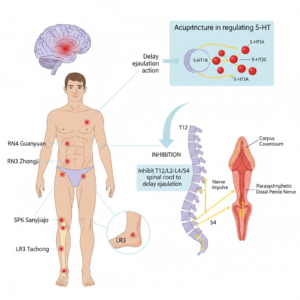
Acupuncture has emerged as an effective non-surgical treatment option for erectile dysfunction in diabetic men, especially when the condition is linked to poor blood circulation, diabetic neuropathy, hormonal imbalance, and chronic stress.
At SUOXI Hospital, acupuncture is delivered through a medically guided, evidence-based approach, combining traditional acupuncture techniques with modern diagnostic evaluation for safe and targeted care.
Why Acupuncture Works for Diabetic Erectile Dysfunction
Acupuncture focuses on correcting the root causes of diabetic erectile dysfunction rather than offering temporary symptom relief. It supports recovery by helping to improve:
- Blood circulation to the pelvic and penile region
- Nerve regeneration affected by diabetic neuropathy
- Hormonal balance, including testosterone regulation
- Stress and nervous system control, reducing performance anxiety
This holistic mechanism makes acupuncture particularly suitable for men with long-standing diabetes.
Benefits of Acupuncture for ED
- Drug-free and non-invasive
- Improves penile blood flow naturally
- Supports the repair of diabetic nerve damage
- Enhances libido, stamina, and sexual confidence
- No dependency or long-term side effects
Read More: How Acupuncture helps to improve blood circulation.
What Makes SUOXI Hospital Different?
- Specialized acupuncture protocols for diabetic men
- Experienced medical acupuncturists
- Personalized, patient-specific treatment plans
- Convenient local access for follow-up and continuity of care
Many patients report noticeable improvement in erection quality, sensitivity, and overall sexual performance within 4-8 weeks, especially when acupuncture is combined with proper diabetes management and healthy lifestyle habits.
There Is Hope
Erectile Dysfunction in Diabetic Men is not a life sentence. While diabetes can create real challenges for sexual health, it does not mean intimacy, confidence, or a satisfying sex life are permanently lost. With the right understanding and timely care, erectile dysfunction related to diabetes is manageable and often reversible.
Today, modern treatment approaches focus on more than just temporary symptom relief. Non-surgical therapies- especially acupuncture-based treatment at SUOXI Hospital– aim to address the root causes of diabetic erectile dysfunction, such as poor blood circulation, nerve damage, hormonal imbalance, and chronic stress. These treatments help restore natural erectile function without long-term dependence on erectile dysfunction medication.
When professional treatment is combined with proper diabetes management and healthy lifestyle choices, many men regain sexual confidence, emotional well-being, and relationship satisfaction. If you are searching for a safe, effective, and locally available treatment for erectile dysfunction associated with diabetes, now is the right time to take action. Early intervention leads to better outcomes- and a renewed sense of control over your health and quality of life.