
Stroke is a medical emergency that can change a life in minutes. Every year, millions of people worldwide suffer from stroke, and many face long-term disability or death due to delayed treatment or lack of proper care. The good news is that modern stroke treatment has advanced significantly, and when managed correctly and quickly, many patients can recover and regain independence.
So, what is the best treatment for stroke? The answer depends on how fast the patient reaches medical care, the type of stroke, and the quality of post-stroke rehabilitation.
This comprehensive guide explains the best stroke treatment options, emergency response, hospital-based care, rehabilitation, and how choosing the right stroke hospital in Dhaka can dramatically improve survival and recovery.
Understanding Stroke: Why Immediate Treatment Matters
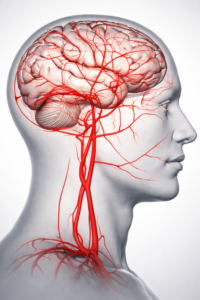
A stroke occurs when the blood supply to a part of the brain is blocked or suddenly reduced, preventing brain cells from receiving the oxygen and nutrients they need to survive. In some cases, a stroke happens when a blood vessel in the brain bursts and causes bleeding. In both situations, the result is the same: brain cells begin to die within minutes.
This is why stroke is considered a medical emergency, not a condition that can wait. The longer the brain is deprived of blood flow, the greater the risk of permanent brain damage, long-term disability, or death. Medical research consistently shows that early stroke treatment significantly improves survival rates and preserves brain function.
Timely access to emergency stroke care can mean the difference between:
- Full recovery and lifelong disability
- Independent living and long-term dependence
- Life and death
Recognizing the early warning signs and acting fast is the first and most critical step in stroke treatment.
Common Stroke Warning Signs (FAST Method)
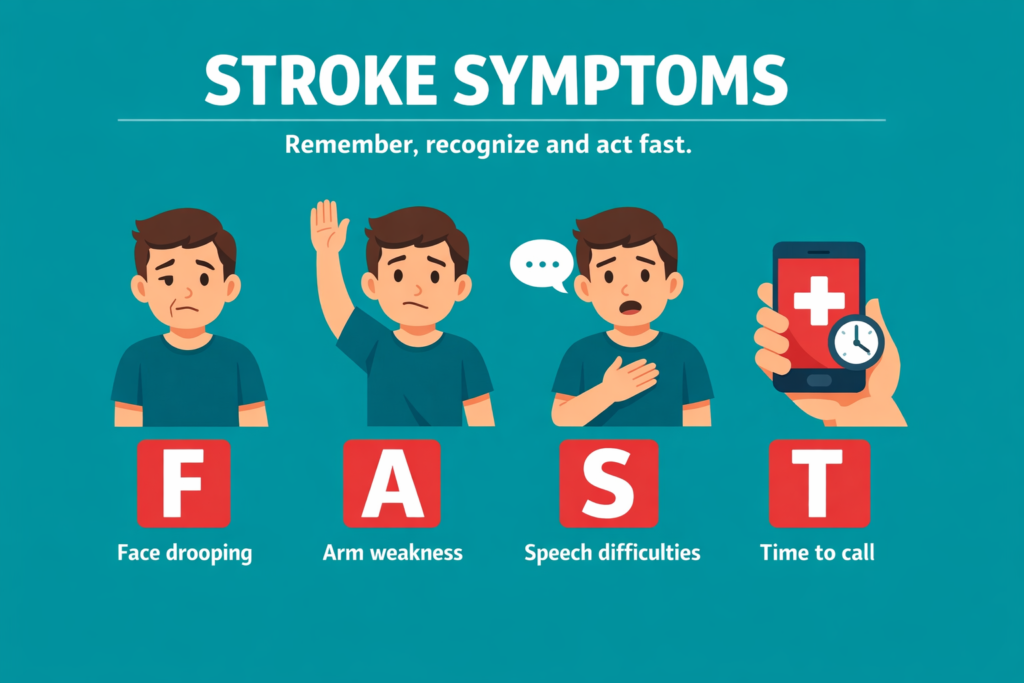
Healthcare professionals worldwide recommend the FAST method as a simple and effective way to identify a stroke quickly:
- F – Face Drooping: One side of the face may droop or feel numb. Ask the person to smile and check if it appears uneven.
- A – Arm Weakness: Sudden weakness or numbness in one arm. Ask the person to raise both arms. Does one drift downward?
- S – Speech Difficulty: Slurred speech, trouble speaking, or difficulty understanding words. Ask them to repeat a simple sentence.
- T – Time to Call Emergency Services: If any of these signs appear, call emergency medical services immediately. Do not wait for symptoms to improve.
Other Early Symptoms of Stroke
- Sudden vision loss or blurred vision in one or both eyes
- Severe headache with no known cause
- Dizziness or loss of balance
- Confusion or difficulty understanding others
- Sudden numbness on one side of the body
These symptoms may appear suddenly and worsen quickly. Even if they seem mild or temporary, they should never be ignored. Immediate medical attention is the single most important factor in stroke survival and recovery.
Reaching a well-equipped and the best hospital in Bangladesh for post stroke treatment as quickly as possible allows doctors to start life-saving treatments, reduce brain damage, and improve long-term outcomes.
Types of Stroke and Their Treatments
To determine the best stroke treatment, doctors must first identify the exact type of stroke. This step is critical because each type affects the brain differently and requires a specific, time-sensitive treatment approach. Modern stroke care relies on rapid brain imaging, clinical assessment, and immediate specialist involvement to make the right decision.
Broadly, strokes are classified into three main types, each with its own causes, risks, and treatment strategies.
Ischemic Stroke (Most Common)
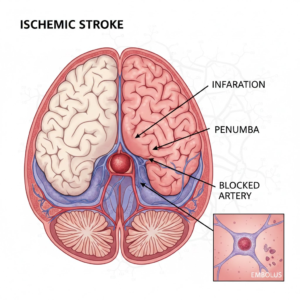
An ischemic stroke occurs when a blood clot blocks or narrows a blood vessel supplying the brain, cutting off oxygen and essential nutrients. This is the most common type of stroke, accounting for nearly 85% of all stroke cases worldwide.
Without prompt treatment, brain cells begin to die within minutes, which is why ischemic stroke is treated as a neurological emergency.
Best Treatments for Ischemic Stroke
The primary goal of ischemic stroke treatment is to restore blood flow to the brain as quickly as possible while minimizing brain damage.
Clot-Busting Medication (Thrombolysis)
One of the most effective emergency treatments for ischemic stroke is thrombolytic therapy.
- Uses Tissue Plasminogen Activator (tPA)
- Must be administered within 4.5 hours of symptom onset
- Works by dissolving the blood clot blocking the artery
- Significantly improves the chances of recovery when given early
This treatment is only possible in hospitals with rapid imaging and stroke-trained medical teams, highlighting the importance of reaching a well-equipped stroke center quickly.
Mechanical Thrombectomy
For larger or more severe clots, doctors may recommend mechanical thrombectomy, an advanced interventional procedure.
- Minimally invasive, catheter-based treatment
- Physically removes the clot from a brain artery
- Can be effective up to 24 hours in selected patients
- Performed in specialized stroke or neuro-intervention centers
Mechanical thrombectomy has revolutionized stroke care and is now considered a gold-standard treatment for large-vessel ischemic strokes.
Antiplatelet and Anticoagulant Therapy
Once the immediate emergency is controlled, long-term medications are started to prevent future strokes.
- Aspirin or other antiplatelet drugs
- Anticoagulants (blood thinners), when indicated
- Reduce the risk of new clot formation
- Essential for secondary stroke prevention
These medications are often combined with treatment for high blood pressure, cholesterol, diabetes, and heart disease.
Hemorrhagic Stroke
A hemorrhagic stroke occurs when a weakened blood vessel ruptures and bleeds into or around the brain. Although less common than ischemic stroke, it is often more severe and life-threatening.
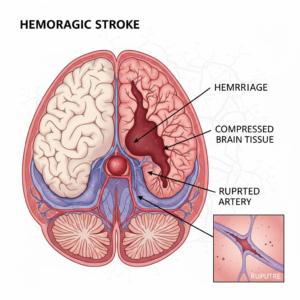
Common causes include:
- Uncontrolled high blood pressure
- Brain aneurysms
- Blood vessel malformations
- Head injury
Best Treatments for Hemorrhagic Stroke
Treatment focuses on controlling bleeding, reducing brain pressure, and preventing further damage.
- Immediate blood pressure management
- Reversal of blood-thinning medications
- Close monitoring in a stroke ICU or neurocritical care unit
- Surgical intervention if bleeding is severe or pressure builds up
Early diagnosis and specialized care in a hospital with neurosurgical and intensive care facilities are crucial for survival.
Transient Ischemic Attack (TIA or Mini-Stroke)
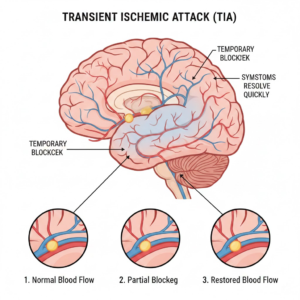
A Transient Ischemic Attack (TIA) is often called a “mini-stroke.” It occurs when blood flow to the brain is temporarily blocked and then restored on its own. Symptoms usually resolve within minutes or hours.
While TIAs do not cause permanent damage, they are a serious warning sign. Many full strokes occur within days or weeks after a TIA if preventive treatment is not started.
Treatment After a TIA
- Identify and treat the underlying cause
- Start antiplatelet or anticoagulant medication
- Control blood pressure, cholesterol, and blood sugar
- Lifestyle modifications to reduce stroke risk
- Ongoing neurological follow-up
Proper treatment after a TIA can dramatically reduce the risk of a major stroke.
Why Stroke Type Matters for Treatment
Each type of stroke requires a different medical strategy, and giving the wrong treatment can be dangerous. This is why rapid diagnosis, expert evaluation, and access to advanced stroke care play such a vital role in outcomes.
Choosing a hospital with:
- 24/7 stroke specialists
- Rapid CT/MRI imaging
- Emergency intervention capability
- Dedicated stroke units
can significantly improve survival, recovery, and quality of life after stroke.
Advanced Stroke Treatment in Modern Hospitals
Choosing the right hospital is one of the most critical decisions in stroke care. While early recognition and fast transportation are essential, the quality of hospital-based stroke treatment plays a decisive role in survival, brain recovery, and long-term quality of life.
Modern stroke treatment is no longer limited to basic emergency care. Today, hospitals equipped with advanced stroke units, specialized neurologists, and cutting-edge technology can dramatically reduce disability and improve recovery outcomes. Studies consistently show that patients treated in dedicated stroke centers experience lower mortality rates, fewer complications, and better functional recovery.
If you or a loved one is facing a stroke emergency, reaching a well-equipped stroke hospital as quickly as possible can make a life-changing difference.
Features of a High-Quality Stroke Center
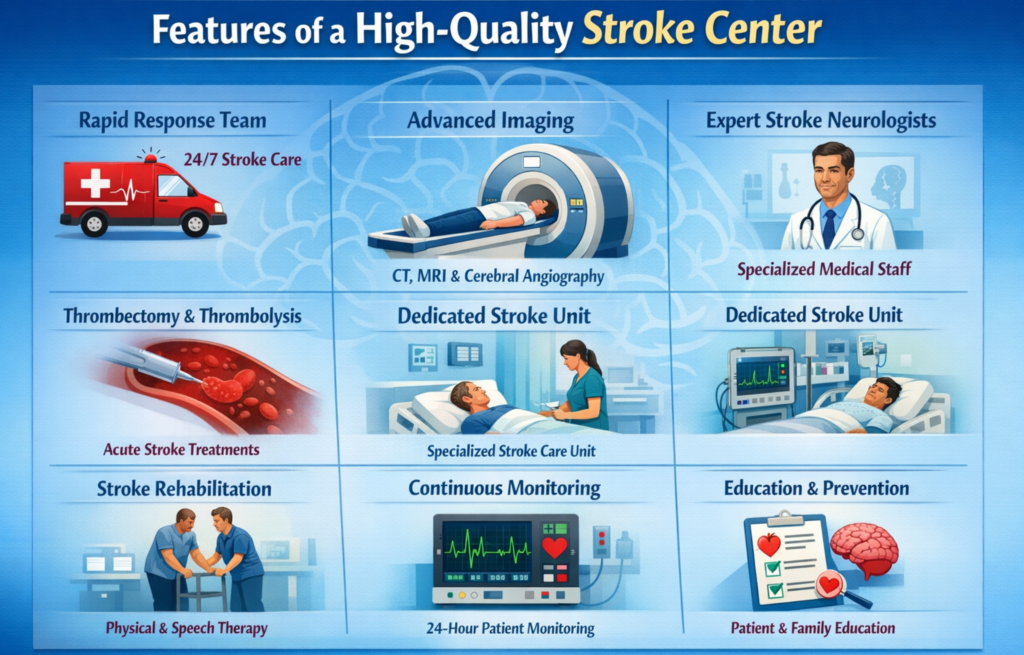
Not all hospitals are equally prepared to handle stroke emergencies. A high-quality stroke center combines speed, expertise, technology, and coordinated care under one roof.
24/7 Neurologist Availability
Stroke can occur at any time, day or night. Hospitals with round-the-clock access to neurologists and stroke specialists ensure that critical treatment decisions are made without delay. Immediate expert evaluation is essential for determining eligibility for clot-busting drugs or advanced interventions.
Dedicated Stroke ICU
A specialized stroke intensive care unit (ICU) provides continuous monitoring for patients with moderate to severe stroke. These units are designed to manage:
- Brain swelling
- Blood pressure fluctuations
- Breathing and heart complications
- Neurological changes
Care in a dedicated stroke ICU significantly improves patient safety during the most vulnerable phase of recovery.
Rapid Imaging (CT / MRI)
Fast and accurate diagnosis is the backbone of effective stroke treatment. Advanced hospitals offer:
- Emergency CT scans to detect brain bleeding
- MRI scans to identify ischemic damage early
- Immediate imaging interpretation by trained specialists
Rapid imaging allows doctors to identify the type of stroke within minutes and start the correct treatment without dangerous delays.
Endovascular Therapy Capability
One of the most important advances in modern stroke care is endovascular treatment, including mechanical thrombectomy.
Hospitals with endovascular capability can:
- Remove large blood clots directly from the brain arteries
- Treat severe ischemic strokes that do not respond to medication
- Extend treatment windows for selected patients
Access to endovascular stroke therapy is often the difference between severe disability and meaningful recovery.
Multidisciplinary Rehabilitation Team
Stroke recovery does not end after emergency treatment. The best stroke hospitals offer integrated rehabilitation services, including:
- Physical therapy
- Speech and language therapy
- Occupational therapy
- Psychological and emotional support
Early involvement of a multidisciplinary rehabilitation team helps patients regain independence, mobility, communication skills, and confidence.
Why Certified Stroke Units Matter
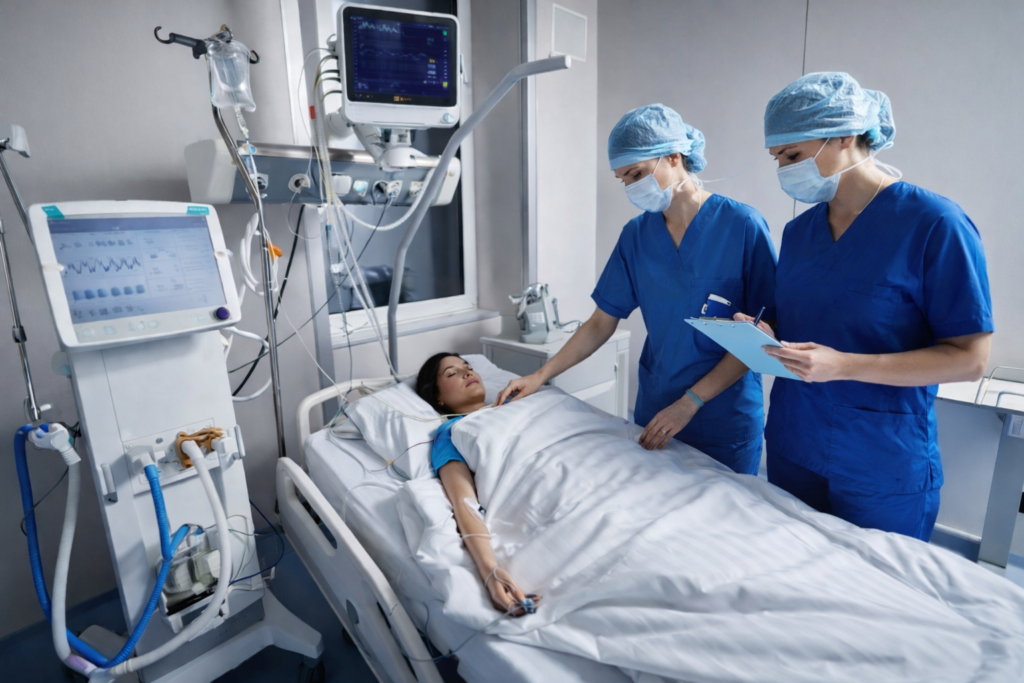
If you are searching for the best after stroke treatment hospital near you, it is important to prioritize facilities with a certified stroke unit. Certification indicates that the hospital meets strict standards for:
- Emergency response times
- Stroke-trained staff
- Advanced diagnostic and treatment protocols
- Continuous quality improvement
Certified stroke centers are better equipped to deliver evidence-based stroke care, resulting in faster treatment, fewer complications, and better long-term outcomes.
Post-Stroke Treatment & Rehabilitation
Emergency stroke treatment saves lives, but post-stroke rehabilitation restores quality of life. For many stroke survivors, recovery does not end when they leave the hospital. In fact, rehabilitation is where the real journey toward independence, confidence, and daily functioning begins.
Stroke rehabilitation is a structured, goal-oriented process designed to help patients relearn skills lost due to brain injury. It focuses not only on physical recovery but also on communication, mental health, and the ability to perform everyday activities safely.
Medical studies show that patients who receive early, consistent, and personalized stroke rehabilitation experience better mobility, improved speech, and a higher chance of returning to independent living.
Stroke Rehabilitation Goals
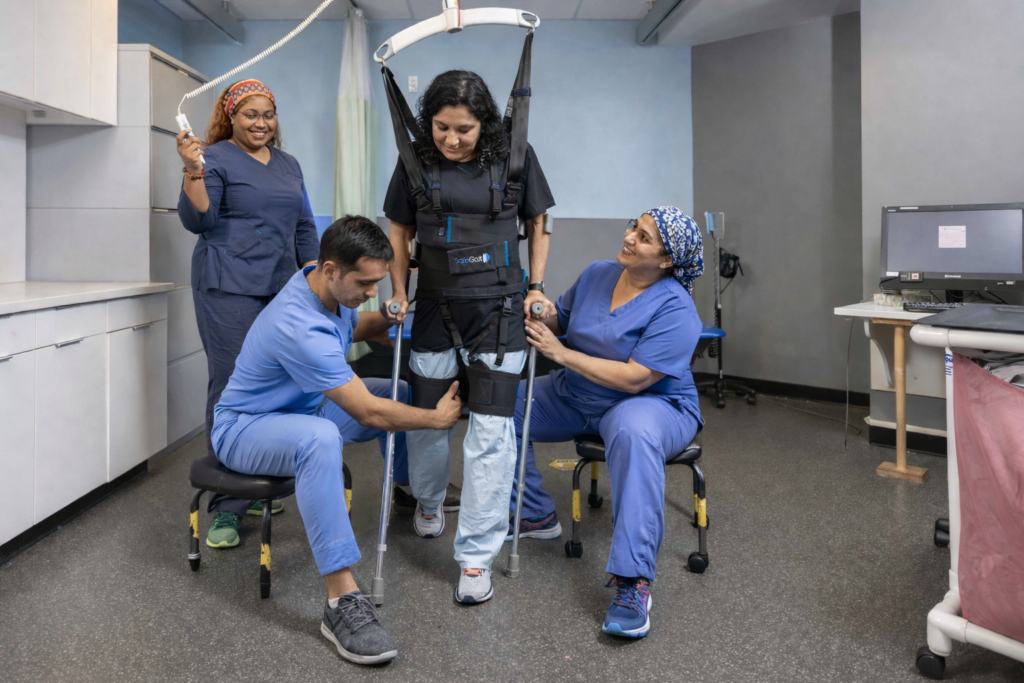
The primary aim of post-stroke rehabilitation is to help patients achieve the highest possible level of physical, emotional, and functional recovery.
Key rehabilitation goals include:
- Regaining movement and muscle strength: Helping patients recover mobility, balance, and coordination affected by stroke-related weakness or paralysis.
- Improving speech and swallowing ability: Addressing speech difficulties, language comprehension, and swallowing problems that commonly occur after a stroke.
- Restoring daily living skills: Enabling patients to perform essential tasks such as dressing, bathing, eating, and personal care independently.
- Preventing future strokes and complications: Supporting lifestyle changes, medication adherence, and risk-factor management to reduce the chance of recurrence.
Each rehabilitation plan is tailored to the patient’s stroke severity, age, overall health, and personal recovery goals.
Types of Stroke Rehabilitation
Effective stroke recovery requires a multidisciplinary rehabilitation approach, where different specialists work together to support the patient at every stage.
1. Physical Therapy for Stroke
Physical therapy plays a vital role in restoring movement after a stroke. It helps patients: Improve muscle strength and flexibility, regain balance and coordination, reduce stiffness and spasticity, and relearn walking and safe mobility.
Physical therapists use guided exercises, movement training, and assistive devices to help patients rebuild physical independence.
2. Speech and Language Therapy
Stroke often affects the brain areas responsible for speech, language, and swallowing. Speech and language therapy helps patients:
- Improve speech clarity and communication
- Regain language comprehension and expression
- Manage swallowing difficulties (dysphagia)
- Build confidence in social interactions
Early speech therapy can significantly improve communication outcomes and reduce the risk of aspiration-related complications.
3. Occupational Therapy
Occupational therapy focuses on helping patients return to everyday life activities safely and independently.
This therapy supports patients in:
- Dressing, grooming, and personal hygiene
- Eating and meal preparation
- Writing, typing, and fine motor skills
- Adapting the home or workplace environment
Occupational therapists often recommend adaptive tools and techniques that make daily tasks easier and safer after a stroke.
4. Psychological and Emotional Support
Stroke recovery is not only physical; it is deeply emotional. Many stroke survivors experience:
- Depression
- Anxiety
- Mood changes
- Loss of confidence or motivation
Psychological support, counseling, and family involvement help patients cope emotionally, stay motivated, and maintain a positive outlook during recovery. Emotional well-being is closely linked to better rehabilitation outcomes.
When Should Stroke Rehabilitation Begin?
Experts recommend starting rehabilitation within 24–48 hours after a stroke, once the patient is medically stable. Early rehabilitation:
- Enhances brain recovery (neuroplasticity)
- Reduces long-term disability
- Shortens hospital stay
- Improves overall recovery potential
Rehabilitation may continue for weeks or months, depending on the individual’s progress and needs.
Why Comprehensive Rehabilitation Matters
A well-structured stroke rehabilitation program can mean the difference between long-term dependence and regained independence. Hospitals and rehabilitation centers that offer integrated post-stroke care provide better continuity, safer recovery, and stronger long-term results.
Medications Used in Stroke Treatment
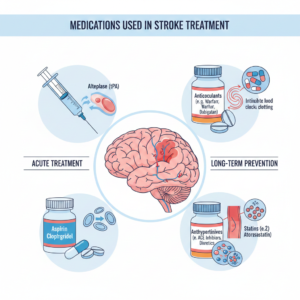
Medications are an essential part of stroke treatment and long-term prevention. After a stroke, doctors prescribe specific drugs to reduce the risk of another stroke, protect blood vessels, and manage underlying health conditions.
- Antiplatelet drugs (Aspirin, Clopidogrel): These medications prevent platelets from clumping together and forming new blood clots. They are commonly used after ischemic stroke and TIA to keep blood flowing smoothly through the arteries.
- Anticoagulants (Warfarin, DOACs): Anticoagulants reduce the blood’s ability to clot and are especially important for patients with heart conditions such as atrial fibrillation. They help prevent clots from traveling to the brain and causing another stroke.
- Cholesterol-lowering statins: Statins reduce levels of bad cholesterol and stabilize plaque in blood vessels. They help protect the arteries and lower the risk of future strokes and heart-related complications.
- Blood pressure medications: These drugs control high blood pressure, one of the leading causes of stroke. Maintaining healthy blood pressure reduces strain on blood vessels and prevents repeat strokes.
- Diabetes management drugs: Diabetes medications help control blood sugar levels, protect blood vessels, and reduce stroke-related complications in patients with diabetes.
Medication adherence is critical for secondary stroke prevention. Taking medicines exactly as prescribed significantly lowers the risk of recurrent stroke and supports long-term recovery.
Lifestyle Changes to Prevent Another Stroke
The best stroke treatment doesn’t end at the hospital. Long-term recovery and prevention depend heavily on healthy lifestyle changes that protect the brain, heart, and blood vessels.
Doctors strongly recommend:
- Quitting smoking to improve blood flow and reduce the risk
- Maintaining healthy blood pressure to prevent vessel damage
- Controlling diabetes to protect blood vessels and brain function
- Following a heart-healthy diet low in salt, fat, and processed foods
- Exercising regularly to improve circulation and overall health
- Limiting alcohol intake to avoid blood pressure spikes
- Managing stress to reduce strain on the heart and nervous system
When followed consistently, these lifestyle adjustments can reduce the risk of recurrent stroke by up to 80% and significantly improve long-term quality of life.
Stroke Treatment for Elderly Patients
Stroke treatment is equally important for elderly patients and should never be delayed due to age. With modern medical advances, many older adults respond well to timely stroke treatment and structured rehabilitation.
For elderly stroke patients, doctors focus on:
- Rapid diagnosis and emergency care
- Careful medication selection to reduce side effects
- Managing existing conditions such as high blood pressure, diabetes, or heart disease
- Early but gentle rehabilitation to restore mobility and independence
Personalized treatment plans help improve survival, reduce complications, and enhance quality of life. With proper medical care and family support, many elderly patients achieve meaningful recovery after a stroke.
Cost of Stroke Treatment in Dhaka
The cost of stroke treatment can vary significantly depending on several medical and care-related factors. There is no single fixed cost for stroke treatment, as every patient’s condition, severity of stroke, and recovery needs are different. Early diagnosis, timely treatment, and the level of medical intervention required all play a role in determining overall expenses.
In general, stroke treatment costs are influenced by the type of stroke, how quickly treatment begins, and the kind of hospital facilities used during care.
Factors That Affect Stroke Treatment Cost
Stroke treatment expenses usually depend on the following key factors:
- Type of stroke: Ischemic strokes and hemorrhagic strokes require different treatment approaches. Hemorrhagic strokes often involve more intensive care or surgery, which can increase overall costs.
- Length of hospital stay: Costs may rise if the patient requires extended hospitalization, especially in a stroke unit or intensive care unit (ICU) for close monitoring and advanced support.
- Surgical or interventional procedures: Advanced treatments such as mechanical thrombectomy, neurosurgery, or other interventional procedures can affect treatment costs but are often critical for survival and recovery.
- Rehabilitation and follow-up care: Post-stroke recovery may include physiotherapy, speech therapy, occupational therapy, medications, and follow-up visits, all of which contribute to the total cost of care.
Financial Support and Stroke Care Packages
To reduce the financial burden on patients and families, many hospitals offer stroke care packages, insurance assistance, and financial counseling. These options help families better understand treatment costs, insurance coverage, and payment plans, making quality stroke care more accessible and manageable.
When to Choose a Local Stroke Hospital
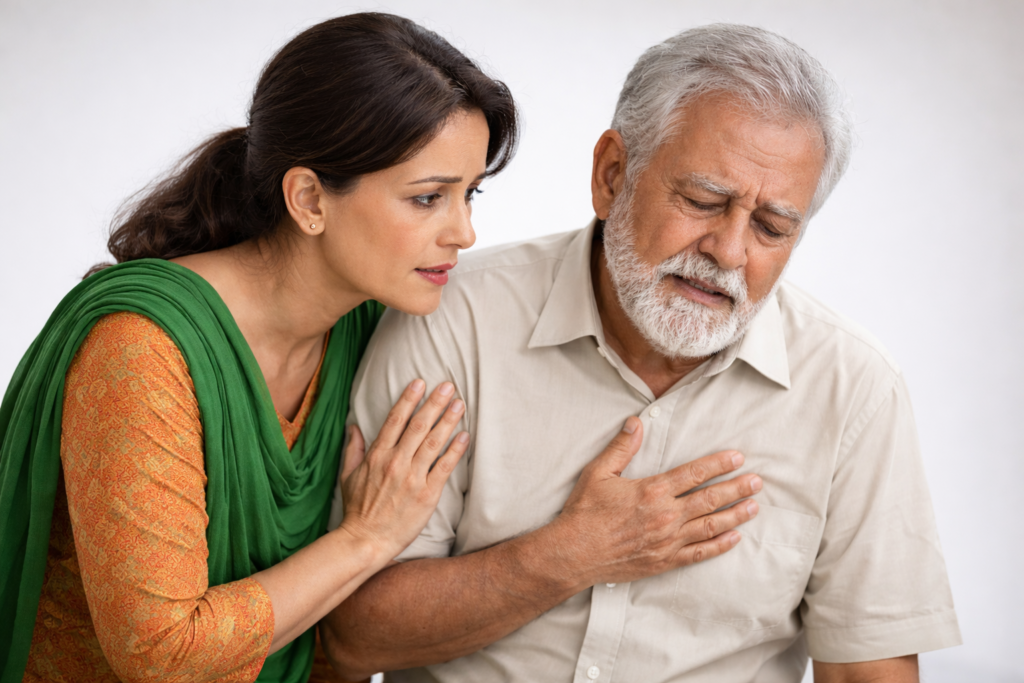
When a stroke occurs, time is the most critical factor. Choosing a local stroke hospital can significantly improve survival chances and recovery outcomes by reducing delays in diagnosis and treatment.
Local stroke care offers several important advantages:
- Faster emergency access: Nearby hospitals reduce travel time during a stroke emergency, allowing patients to receive life-saving treatment such as clot-busting medication or emergency intervention without delay.
- Stronger family support: Being treated close to home makes it easier for family members to stay involved in care decisions, provide emotional support, and assist during recovery.
- Easier follow-up care: Stroke recovery often requires regular doctor visits, medication adjustments, and ongoing rehabilitation. Local hospitals make follow-up appointments more convenient and consistent.
- Continuity of rehabilitation: Receiving treatment and rehabilitation in the same local healthcare system ensures smoother coordination between doctors, therapists, and caregivers, leading to better long-term recovery.
Searching for “best stroke treatment near me” during an emergency often leads patients to faster care, timely treatment, and improved outcomes. In stroke management, quick action and nearby expert care can save lives and preserve brain function.
Final Thoughts: What Is the Best Treatment for Stroke?
The best stroke treatment is built on three critical pillars: fast action, expert medical care, and comprehensive rehabilitation. A stroke can progress rapidly, but when symptoms are recognized early and emergency care is accessed without delay, the chances of survival and meaningful recovery increase dramatically.
Immediate treatment at a well-equipped stroke hospital in Dhaka, supported by experienced neurologists, advanced imaging, and modern treatment options, can significantly reduce brain damage and long-term disability. Just as important is structured post-stroke rehabilitation, which helps patients regain strength, communication skills, independence, and confidence.
Stroke is a serious and life-altering condition, but it is not without hope. With timely medical attention, the right treatment plan, and ongoing support, many stroke survivors can recover, adapt, and return to fulfilling lives.
Early response saves brain cells. Expert care saves function. Rehabilitation restores quality of life. With the right approach, hope and healing are truly possible after a stroke.